
Care Assistant Jobs at Living Plus Care Services
Your complete guide to becoming a care assistant. What the role involves, what you will earn, what training you receive, and how to apply.
- No experience required
- Full training provided
- Hatfield & Peterborough
No Experience
Required to Apply
Full Training
Care Certificate Included
Flexible Hours
Full & Part Time Available
Paid Mileage
45p Per Mile Between Visits
What Is a Care Assistant?
A care assistant, sometimes called a home care assistant or domiciliary care assistant, is a trained professional who supports people in their own homes with everyday tasks they find difficult. This can include help with personal care such as washing, dressing, and toileting, medication support, meal preparation, companionship, and light housekeeping.
As a care assistant at Living Plus Care Services, you visit people in their homes across Hatfield, Hertfordshire or Peterborough, Cambridgeshire. You help them maintain their independence, dignity, and quality of life whilst staying in the place they feel most comfortable. Every person you support has a detailed, person-centred care plan that tells you exactly what help they need and how they like things done.
CQC Regulated Role
Care assistant roles at Living Plus Care Services involve regulated activities under the Health and Social Care Act 2008. All care assistants must pass an enhanced DBS check, complete the Care Certificate, and meet the requirements of CQC Regulation 19 (Fit and Proper Persons Employed) before delivering care independently.

What You Will Do Each Day
No two days are exactly the same as a care assistant, but your core responsibilities will include the following duties. These form the basis of the care assistant job description at Living Plus Care Services.
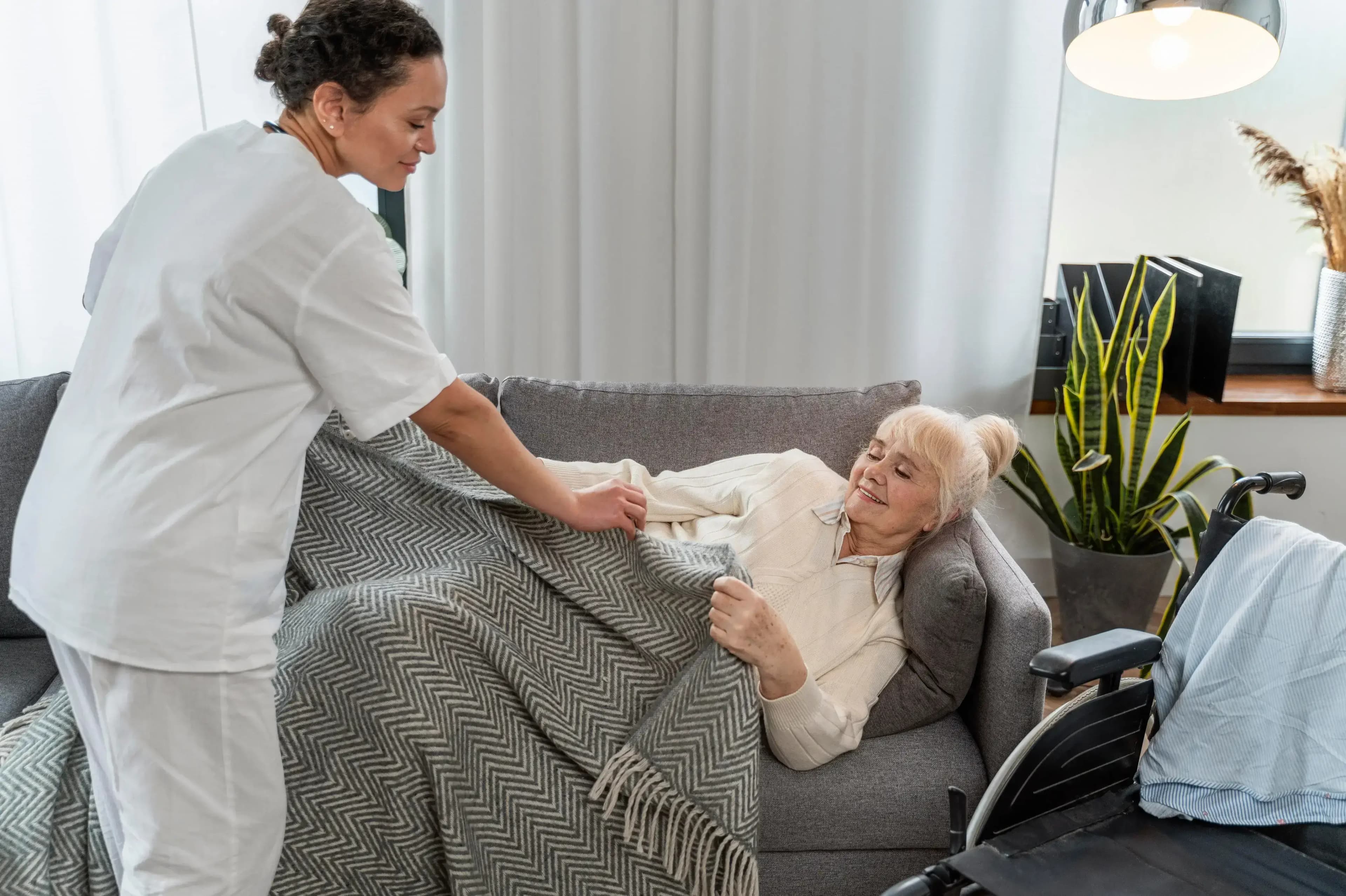
Personal Care
You help people with intimate personal care tasks, always maintaining their dignity and privacy. This includes assisting with washing, bathing, showering, oral hygiene, dressing, and toileting. You follow each person's care plan closely, respecting their preferences and encouraging independence wherever possible.

Medication Support
You prompt, remind, or assist people with their medication according to their care plan and our medication management policy. This may include helping someone take tablets from a blister pack, applying prescribed creams, or administering eye drops. You record all medication support accurately in the daily notes.

Meal Preparation and Nutrition
You prepare meals and drinks according to each person's dietary needs and preferences. This might be a full cooked meal, a light snack, or ensuring someone has enough fluids throughout the day. You monitor food intake and report any concerns about appetite or nutrition to your line manager.

Companionship and Emotional Support
For many of the people you support, your visit is the highlight of their day. You provide genuine companionship, have a cup of tea and a chat, help them stay connected with family and friends, and support their emotional wellbeing. Loneliness and social isolation are serious health risks, and your presence makes a real difference.

Mobility Support
You help people move safely around their home, including getting in and out of bed, using walking aids, and transferring between chairs. You are trained in safe moving and handling techniques to protect both the person you support and yourself.

Light Housekeeping
You prepare meals and drinks according to each person's dietary needs and preferences. This might be a full cooked meal, a light snack, or ensuring someone has enough fluids throughout the day. You monitor food intake and report any concerns about appetite or nutrition to your line manager.

Record Keeping and Communication
You complete accurate daily care notes after every visit, recording the care you provided, any observations about the person's health or wellbeing, and any concerns. Good record keeping is essential for continuity of care and for meeting CQC standards. You communicate regularly with your line manager, the office team, and family members as appropriate.
A Day in the Life of a Care Assistant
Being a care assistant means every day is a little different, but you help people maintain their independence, dignity, and quality of life whilst staying in the place they feel most comfortable.
A Typical Day as a Care Assistant
Understanding what a typical day looks like can help you decide whether care assistant work is right for you. Here is an example of a morning shift for a care assistant at Living Plus.
| Time | What You Are Doing |
|---|---|
| 07:00 | Arrive at your first visit. Help Mrs Johnson get washed and dressed for the day. Prepare her breakfast and morning medication. Have a chat about yesterday's Coronation Street. Update her care notes. |
| 08:00 | Drive to your second visit (paid mileage). Help Mr Patel with his morning personal care routine. Assist with breakfast and ensure he has everything he needs before you leave. |
| 09:15 | Visit Mrs Williams to help her shower, dress, and prepare for a visit from her daughter later that morning. Make her a cup of tea, tidy the kitchen, and check she has taken her morning tablets. |
| 10:30 | Quick break between visits. Check your phone for any schedule updates from the office. |
| 10:45 | Companionship visit to Mr Thompson. He lives alone and enjoys having someone to talk to. You help him with light housekeeping, prepare his lunch, and accompany him on a short walk to the local shop. |
| 12:15 | Final morning visit. Help Mrs Clarke with her lunchtime medication and meal preparation. Record your notes and report a small change in her mobility to your line manager. |
| 13:00 | End of shift. Your afternoon is free, or you continue with afternoon visits if you are working a full day. |
Flexible Schedules
We offer mornings, afternoons, evenings, weekends, and split shifts. Whether you want full-time hours or a few shifts around school runs or other commitments, we build a rota that works for you.

Care Assistant Pay and Benefits
We believe that care assistants deserve competitive pay that reflects the skill, responsibility, and compassion required for the role. Here is what you can expect when you join Living Plus Care Services.
| What You Receive | Details |
|---|---|
| Hourly Pay Rate | Competitive rates above the National Living Wage, reviewed annually. Enhanced rates for weekends and bank holidays. |
| Paid Mileage | 45p per mile for travel between client visits. We also factor travel time into your schedule so you are never rushed. |
| Paid Holiday | 28 days paid annual leave per year (inclusive of bank holidays), increasing with length of service. |
| Pension | Auto-enrolled into a workplace pension with employer contributions from your first day. |
| Free DBS Check | We pay for your enhanced DBS check as part of the recruitment process. This is a CQC requirement. |
| Free Uniform and PPE | Branded uniform, ID badge, gloves, aprons, and all personal protective equipment provided at no cost. |
| Free Training | Fully funded Care Certificate, manual handling, safeguarding, medication management, first aid, and ongoing CPD. |
| Blue Light Card | Eligibility for the Blue Light Card discount scheme with savings at thousands of retailers and restaurants. |
| Employee Assistance | Confidential 24/7 support for mental health, wellbeing, financial guidance, and personal matters. |
| Refer a Friend | Cash bonus for every friend you refer who joins the team and completes their probation. |
| Career Progression | Clear pathway to senior care assistant, team leader, care coordinator, and management roles. |
Care Assistant Salary Comparison
The average care assistant salary in the UK is approximately £21,000 to £23,000 per year for full-time work, depending on location and experience. At Living Plus, we pay above the National Living Wage from day one, with additional enhancements for unsociable hours. Senior care assistants and team leaders earn significantly more as they progress.
Training and Qualifications
You do not need any qualifications or previous experience to become a care assistant at Living Plus Care Services. We provide everything you need to deliver safe, high-quality, person-centred care from your very first day.

Your Induction
Every new care assistant completes a structured induction programme before they go out on their own. This includes classroom-based learning, practical skills sessions, and shadowing experienced care assistants on real visits. You are never left to figure things out by yourself.
The Care Certificate
The Care Certificate is the nationally recognised training framework for new health and social care workers, developed by Skills for Care, Health Education England, and Skills for Health. It covers 15 standards. Living Plus funds your Care Certificate in full and supports you to complete it within your first 12 weeks.
The 15 Care Certificate Standards
Understand Your Role
Your responsibilities, your limits, and how your role fits within the wider care team.
Your Personal Development
How to reflect on your practice and continue learning throughout your career.
Duty of Care
Your legal and professional duty to keep people safe and act in their best interests.
Equality and Diversity
Treating everyone fairly, respecting differences, and challenging discrimination.
Work in a Person-Centred Way
Putting the person at the centre of everything you do, respecting their choices and preferences.
Communication
How to communicate effectively with the people you support, families, and colleagues.
Privacy and Dignity
Maintaining privacy during personal care and treating everyone with dignity and respect.
Fluids and Nutrition
Understanding the importance of nutrition, hydration, and monitoring food and fluid intake.
Awareness of Mental Health, Dementia and Learning Disability
Recognising signs and symptoms, and adapting your approach to support individual needs.
Safeguarding Adults
Recognising abuse and neglect, understanding your duty to report, and following safeguarding procedures.
Safeguarding Children
Recognising signs of abuse in children and young people, and knowing how to respond.
Basic Life Support
How to perform CPR, use a defibrillator, and respond to medical emergencies.
Health and Safety
Risk assessment, manual handling, fire safety, and keeping yourself and others safe.
Handling Information
Recording, storing, and sharing information in line with GDPR and data protection law.
Infection Prevention and Control
Hand hygiene, PPE use, waste disposal, and preventing the spread of infection.
Ongoing Training and CPD
Your learning does not stop after the Care Certificate. Living Plus provides ongoing training throughout your career, including specialist modules in dementia care, end of life care, mental health awareness, diabetes care, Parkinson's care, and more. We also fund NVQ Level 2 and Level 3 Diplomas in Health and Social Care for team members who want to progress to senior roles.
Skills and Qualities We Look For
You do not need qualifications or experience to apply. What we look for is the right person with the right character. If you can tick most of the qualities below, we want to hear from you.

Kindness and Empathy
You are supporting vulnerable people at some of the most challenging times in their lives. Genuine kindness is not optional; it is essential.
Reliability
The people you support depend on you arriving on time and being there when they need you. Consistency builds trust.
Patience
Some tasks take longer than others. Some people need more encouragement. Patience is what turns a good carer into a great one.
Good Communication
You need to listen carefully, explain things clearly, and report observations accurately. Communication keeps everyone safe.
Respect for Privacy
You are entering someone's home and helping with intimate personal care. Respecting their privacy and dignity is fundamental.
Respect for Privacy
You are entering someone's home and helping with intimate personal care. Respecting their privacy and dignity is fundamental.
Willingness to Learn
The care sector is always evolving. The best care assistants are those who actively seek to improve their knowledge and skills.
Emotional Resilience
Care work can be emotionally rewarding but also challenging. We support you, but you need to be able to manage your own wellbeing too.
Attention to Detail
Spotting small changes in someone's condition, recording information accurately, and following care plans precisely can make a critical difference.
Career Progression From Care Assistant
A care assistant role at Living Plus is not a dead-end job. It is the starting point for a rewarding career in health and social care. We promote from within wherever possible, and many of our senior team members started in exactly the role you are reading about now.
01.
Care Assistant
Starting Role
Care Certificate, full induction, hands-on training
02.
Senior Carer
6 to 12 Months
NVQ Level 2, mentoring new starters, spot checks
03.
Team Leader
12 to 24 Months
NVQ Level 3, supervising teams, care plan reviews
04.
Coordinator+
24+ Months
Office-based roles, rota management, quality assurance
Beyond coordinator level
Experienced team members can progress into registered manager positions, compliance roles, training delivery, and other specialist areas within the organisation. We actively support career development through funded qualifications, mentoring, and regular supervision.
Entry Requirements
A care assistant role at Living Plus is not a dead-end job. It is the starting point for a rewarding career in health and social care. We promote from within wherever possible, and many of our senior team members started in exactly the role you are reading about now.
What You DO Need
- The right to work in the United Kingdom
- To be aged 18 or over
- A willingness to undergo an enhanced DBS check
- Good spoken and written English
- A caring, compassionate attitude
- Ideally, a full UK driving licence (but not always essential)
What You DO NOT Need
- Previous care experience
- Formal qualifications or NVQs
- A degree or higher education
- An existing DBS certificate
- A care certificate already completed
- Specialist medical knowledge
Visa Sponsorship
Living Plus Care Services welcomes applications from candidates who require visa sponsorship for care worker roles. Care worker is on the UK Shortage Occupation List, and we are committed to supporting a diverse workforce. Please contact us to discuss your individual circumstances
How to Apply for a
Care Assistant Role
Starting personal care should feel clear and supportive, not overwhelming. We guide you through each step at your pace.
- Step 01
Complete the Online Application
Visit our online application form. It takes about 15 minutes. You can also call us on 01707 707599 (Hatfield) or 01733 911656 (Peterborough) for an informal chat first.
- Step 02
Informal Interview
We invite you for a relaxed, values-based interview at one of our branches. This is a two-way conversation. We want to get to know you as a person, and we want you to get to know us. There are no trick questions.
- Step 03
Pre-Employment Checks
We carry out an enhanced DBS check, verify your right to work in the UK, request references, and complete a full employment history check as required by CQC Regulation 19 and Schedule 3 of the Health and Social Care Act 2008.
- Step 04
Induction and Training
You complete our comprehensive induction programme, including the Care Certificate, practical skills training, and shadowing experienced care assistants on real visits. This typically takes 1 to 2 weeks.
- Step 05
Start Your First Solo Visits
Once your training is complete and your mentor is satisfied you are ready, you begin your own regular visits with a small, consistent group of clients. Your line manager checks in regularly, and 24/7 on-call support is always there if you need it.
Ready to Become a Care Assistant?
No experience needed. Full training provided. Competitive pay. A career that makes a real difference. We welcome applications from people with no care experience.
- careers@livingpluscare.co.uk
- Free assessment
- No obligation
- Same carer each visit