
Alzheimer's Care
Specialist support for Alzheimer's disease, the most common form of dementia

Professional home care for children and young people with disabilities, autism, learning difficulties, and complex health needs across Hertfordshire and Cambridgeshire.
Dementia care at home is specialist support provided in your loved one's own home by trained care workers who understand the unique challenges of dementia. It allows people to maintain their independence, dignity, and quality of life in familiar surroundings.

At Living Plus Care Services, we understand the emotional journey families face when seeking dementia care.
Source: Alzheimer's Society 2024
Our specialist care workers are trained not just in the practical aspects of dementia care, but in the person-centred approaches that preserve dignity, promote independence, and bring moments of joy to each day.
Specialist support for Alzheimer's disease, the most common form of dementia
Care focused on reasoning, planning, judgement skills and stroke recovery
Managing movement, sleep issues, and fluctuating alertness levels
Assitance with behaviour, personality changes and language difficulties.
Ready to start the conversation? We’re here to answer your questions. Call 0333 577 0877
Data shows that staying at home significantly improves outcomes for dementia patients compared to institutional settings
Of diagnosed patients express a strong desire to remain in their own homes.
Current shortfall of care home beds across UK, making home care as vital necessity
Average savings for live-in care compared to premium residential nursing homes
Unlike care homes where attention must be divided among many residents, our home care provides one-to-one personalised support tailored to your loved one's unique needs, preferences, and life history. We work with the whole family to create care that truly makes a difference.
Every type of dementia presents differently, and our care workers receive specialist training to understand and support each condition with expertise and compassion.
60-70% of cases
The most common form of dementia, caused by abnormal protein deposits (amyloid plaques and tau tangles) that damage brain cells.
Our care workers use memory aids, maintain consistent routines, and provide gentle prompts to support daily activities. We focus on preserving remaining abilities and creating moments of connection.
20% of cases
The second most common type, caused by reduced blood flow to the brain, often after strokes or small vessel disease.
We break tasks into manageable steps, allow extra time for responses, and monitor for any signs of further vascular events. Our carers support healthy lifestyle choices.
10-15% of cases
Caused by alpha-synuclein protein deposits (Lewy bodies) in the brain, sharing features with both Alzheimer's and Parkinson's disease.
Our carers are trained to respond calmly to hallucinations, support mobility safely, and adapt care to fluctuating alertness levels throughout the day.
5-10% of cases
Affects the frontal and temporal lobes of the brain. The most common form of dementia in people under 65 (young-onset dementia).
We focus on maintaining dignity, setting gentle boundaries, and using structured routines. Our carers receive specialist training in managing behavioural changes compassionately.
10% of cases
A combination of two or more types of dementia, most commonly Alzheimer's disease and vascular dementia occurring together.
Our care plans are highly individualised, addressing the specific combination of symptoms present. We regularly review and adapt care as the condition progresses.
70,000+ people in UK
Dementia diagnosed in people under 65. Can be any type but frontotemporal dementia is most common. Presents unique challenges.
We understand the unique challenges of young-onset dementia including family dynamics, employment, and identity. Our care supports the whole family unit.
Regardless of dementia type, our approach is always person-centred. We take time to understand your loved one's life history, preferences, and what matters most to them—creating care that truly fits the individual.
From a few hours of support each week to comprehensive 24-hour live-in care, we offer flexible dementia care that adapts as your loved one's needs change.
Regular visits throughout the day tailored to your loved one's routine. From 30-minute check-ins to several hours of companionship and support.
A dedicated live-in carer provides round-the-clock support, offering peace of mind for families and continuous care for your loved one.
For those who experience night-time confusion, wandering, or need assistance during the night. Available as sleeping or waking night care.
Daytime support that provides stimulation, companionship, and practical help while family carers work or take a much-needed break.
Essential breaks for family carers. Whether you need a few hours, a weekend, or a longer break, we provide seamless cover.
When circumstances change suddenly—hospital discharge, carer illness, or crisis—we can mobilise quickly to provide care.
Every aspect of care is tailored to your loved one's individual needs, preferences, and daily routines.


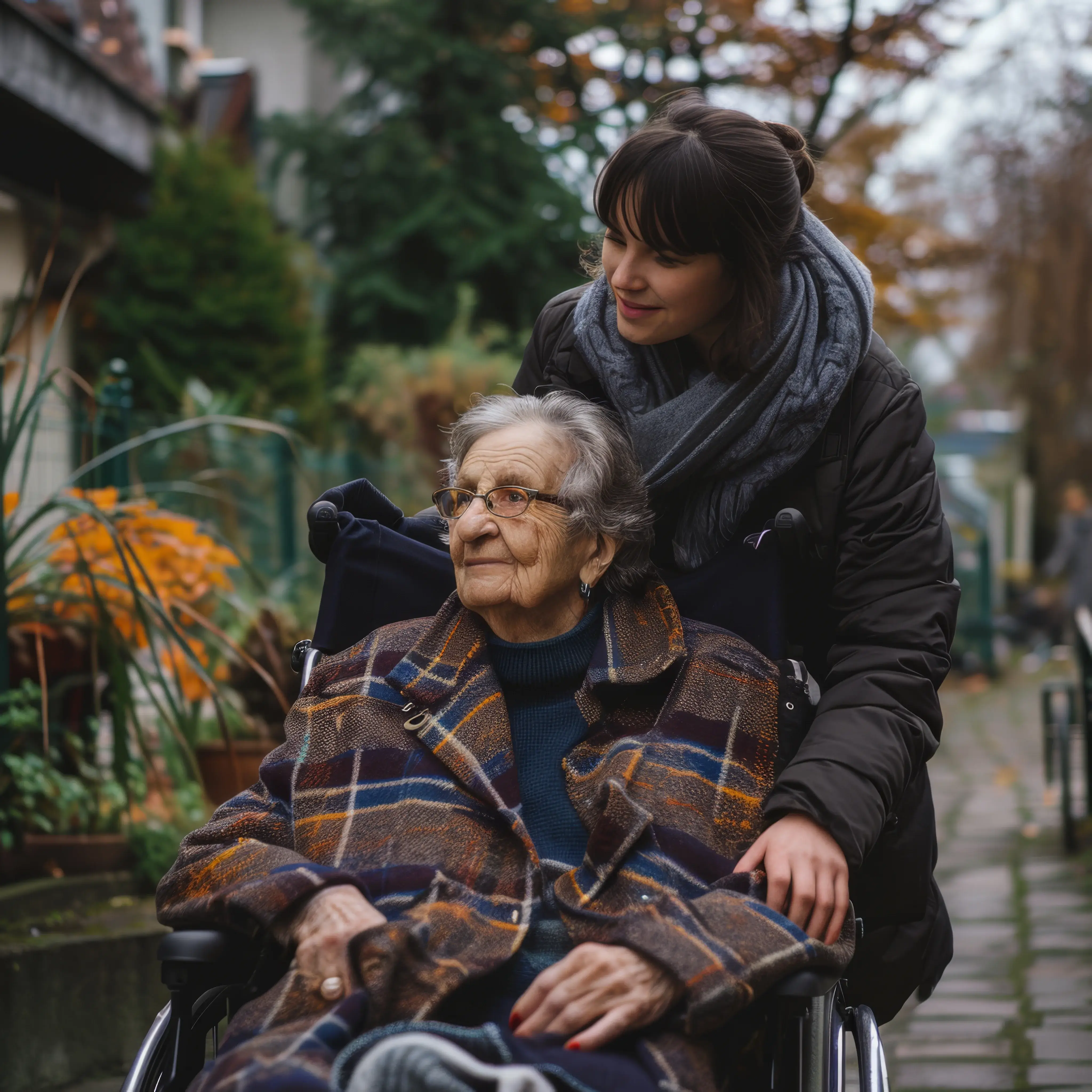

Additional support includes: Light housekeeping, shopping and errands, pet care, garden supervision, and social activities coordination.
Research consistently demonstrates that home care delivers superior outcomes for people with dementia. Here's why 85% prefer to stay in their own homes.

Research shows familiar environments reduce confusion, anxiety, and distress. Your loved one stays surrounded by their treasured possessions, photos, and memories.
Unlike care homes where staff attention is divided, our carers focus entirely on your loved one. This personalised approach leads to better outcomes and quality of life.
Dementia care at home preserves the routines and habits that provide comfort and structure. Wake times, mealtimes, and activities remain consistent.
Studies show people with dementia cared for at home have fewer hospital admissions compared to those in residential care. Early intervention prevents crises.
Home care enables families to remain central to their loved one's care. You're part of the team, not just visitors during set hours.
Research shows people with dementia experience lower levels of stress, anxiety, and depression when cared for at home versus institutional settings.
We know that funding is one of the biggest concerns for families seeking care. Children's home care can be funded in several ways, and many families receive some level of support.
| Aspect | Home Care | Care Home |
|---|---|---|
| Environment | Familiar home with personal belongings | New, unfamiliar surroundings |
| Staff Ratio | One-to-one dedicated care | Staff shared among many residents |
| Routines | Personal routines maintained | Communal schedules |
| Family Access | Unlimited, whenever suits | Set visiting hours |
| Pets | Beloved pets remain | Usually not permitted |
| Personalisation | Fully tailored to individual | Group-based activities |
Both options have their place. Care homes may be more appropriate for some individuals. We can help you assess which option best suits your loved one's needs.
Research shows only 29% of care workers have received any dementia-specific training. At Living Plus, 100% of our dementia care workers complete comprehensive specialist training before working with your loved one.
Our dementia training aligns with the Dementia Training Standards Framework developed by Health Education England and Skills for Care, ensuring nationally recognised competency levels.
In addition to specialist dementia training, all our care workers complete comprehensive core training ensuring they meet CQC standards and can provide safe, effective care.
Our dementia training aligns with the Dementia Training Standards Framework developed by Health Education England and Skills for Care, ensuring nationally recognised competency levels.
All care workers undergo enhanced DBS checks, reference verification, and face-to-face interviews before joining our team. We never compromise on standards.
From a few hours of support each week to comprehensive 24-hour live-in care, we offer flexible dementia care that adapts as your loved one's needs change.

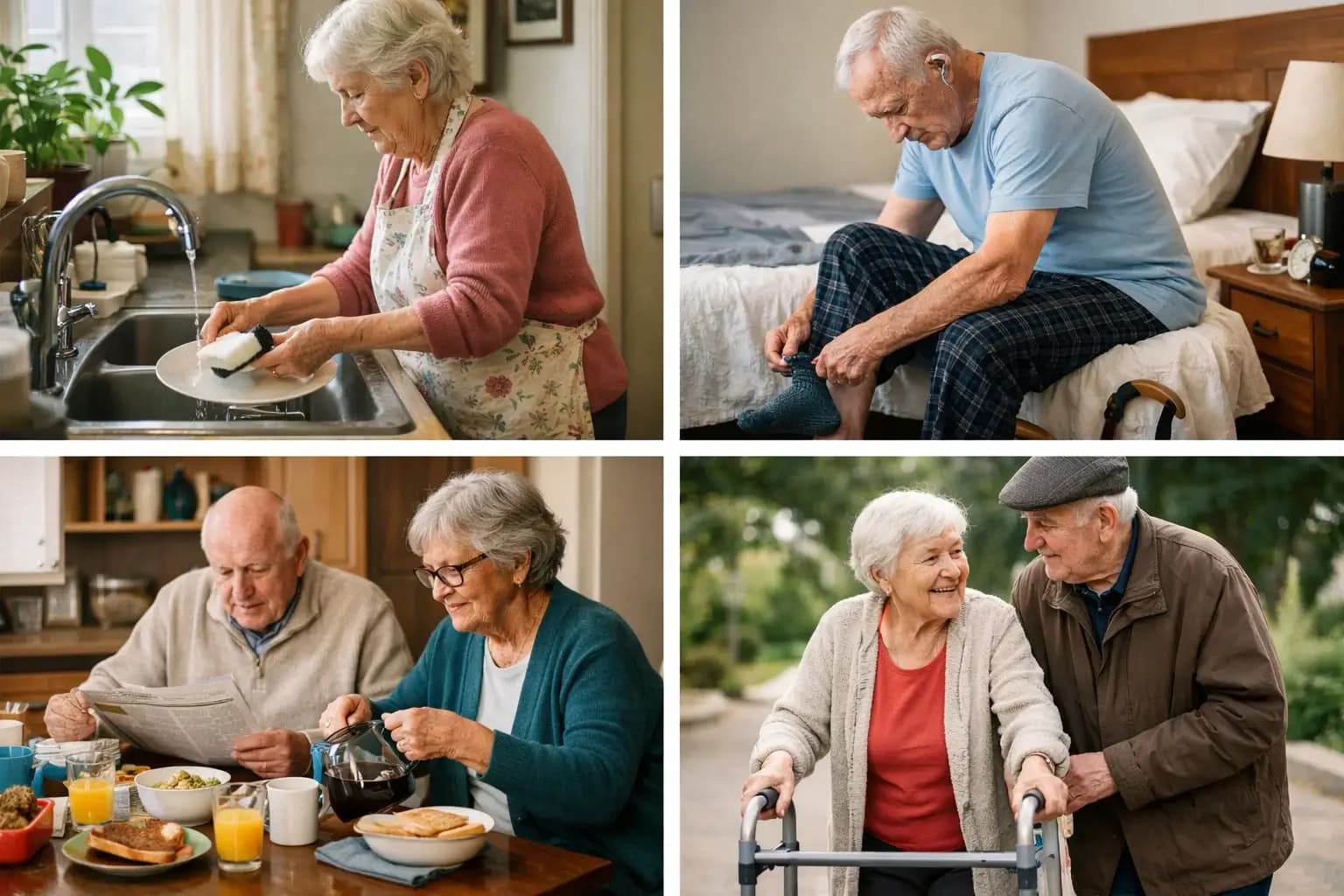




Dementia typically progresses through stages, though not everyone follows the same pattern. Understanding these stages can help you anticipate needs and plan care appropriately.
We support people at every stage of their dementia journey, adapting care as needs change. There's no "right time" to start—earlier is often better.
We believe in complete transparency about costs. Many families are surprised to learn that funding support may be available—and that home care can be more affordable than care home fees.
£22 - £32per hour
Regular visits for personal care, medication support, and companionship
From £1,200per week
24-hour dedicated carer living in the home providing round-the-clock support
£32.14per hour
Sleeping or waking night care for those needing overnight support
Actual costs depend on the level of care needed, times of visits, and location. We provide a detailed quote after your free care assessment.
A non-means-tested benefit for people over State Pension age who need help with personal care. Currently £72.65 or £108.55 per week depending on needs.
Over State Pension age, need help due to disability
Fully funded care for those with complex, ongoing healthcare needs. Available for people whose primary need is health-related rather than social care.
Complex health needs, assessed by multidisciplinary team
Your local council may contribute to care costs following a needs and financial assessment. Means-tested based on savings and income.
Care needs confirmed, savings below threshold
Many families pay privately for all or part of care. This offers maximum flexibility and choice over care arrangements.
Anyone, no assessment required
Choosing a dementia care provider is one of the most important decisions you'll make. Here's why families across Hertfordshire and Cambridgeshire trust us with their loved ones.

Our Hertfordshire branch is rated Good by the Care Quality Commission. Both branches meet rigorous standards for safe, effective, caring, responsive, and well-led services.
Every carer supporting people with dementia completes comprehensive specialist training. This isn't optional—it's essential for quality dementia care.
We're not a national franchise. Our teams are based in Hertfordshire and Cambridgeshire, meaning reliable local carers who know your community.
We provide specialist dementia care across Hertfordshire and Cambridgeshire. Our local care teams mean reliable support from people who know your community.
Our Hertfordshire branch provides dementia care across the county, from our office at 32 Market Place, Hatfield AL10 0LN
Our Cambridgeshire branch covers Peterborough and surrounding areas, from our office at Stuart House, East Wing, St John's Street, Peterborough.
Not sure if we cover your area? Call us on 01707 707599 to check availability.
OUR PREMIER CARE SERVICES
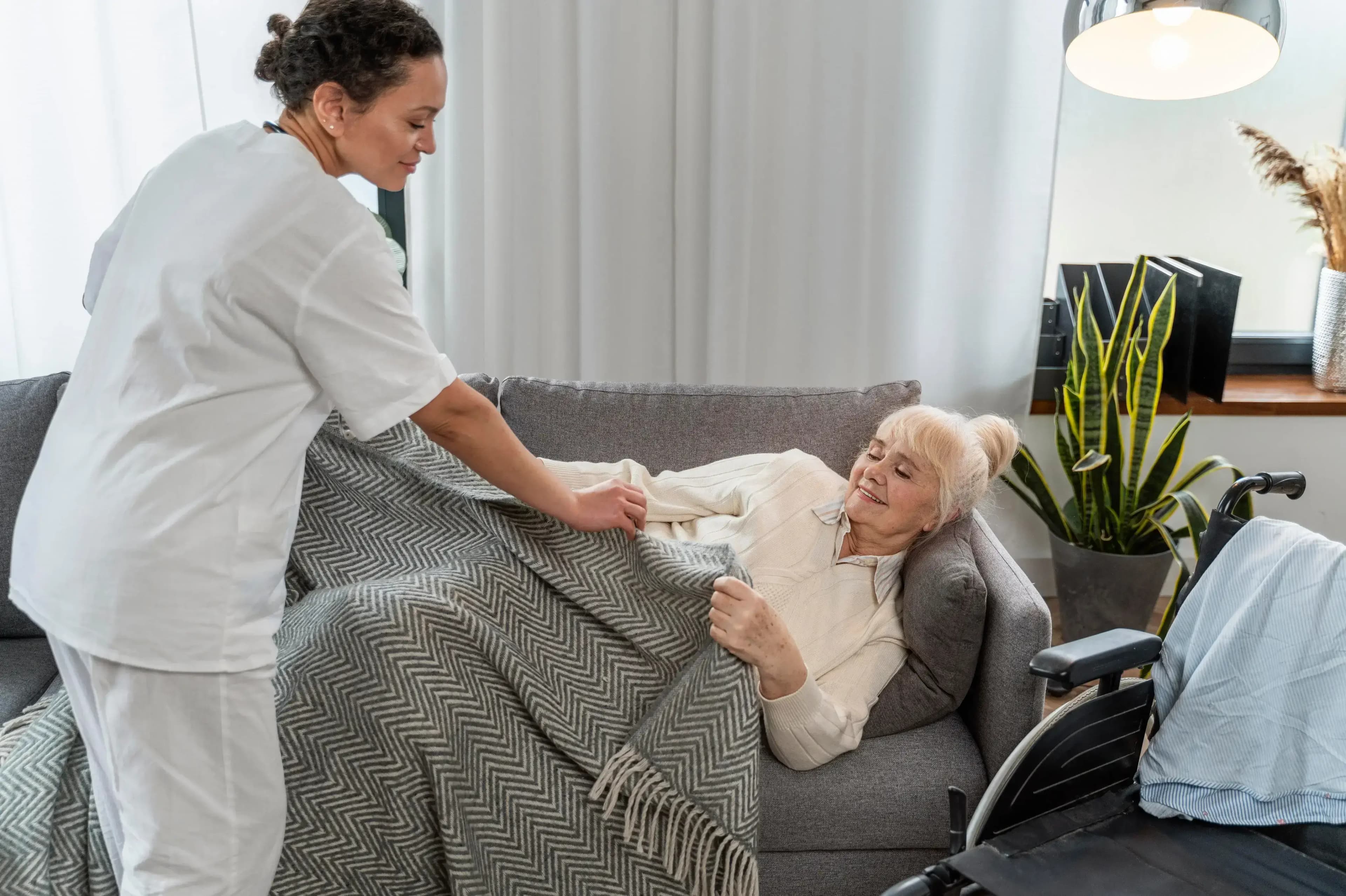
Our carers help with everyday tasks that make the difference between struggling at home and thriving at home.
 Learn More
Dignified support with washing, dressing, bathing, and getting ready for the day. Our carers take their time and respect your priv....
 Learn More
More than just company – our carers build genuine relationships. From shared cups of tea to trips to the shops, we help reduce lon.....
 Learn More
More than just company – our carers build genuine relationships. From shared cups of tea to trips to the shops, we help reduce lon.....
 Learn More
Calm, consistent support from carers who understand dementia. We focus on maintaining routines, reducing anxiety, and h...
At Living Plus, 100% of our dementia carers are comprehensively trained before working with your loved one. This isn't a nice-to-have—it's the difference between adequate care and excellent care. Our friendly team is here to listen, answer questions, and help you understand your options.