























Supported Living Services | Learning Disability & Autism

CQC-registered supported living in Hertfordshire and Cambridgeshire. Own tenancy, personalised care, independence. For adults with learning disabilities and autism.

  • Clinical Oversight
  • Neurological Expertise
  • Nationwide service

Supported Living Services:
Independence with the Right Support

Supported living gives adults with learning disabilities, autism, and mental health needs the chance to live in their own home with the support they need to build an independent life.

A carer with two women in wheelchairs in a kitchen

Your Life, Your Choice, Your Home

Unlike residential care, people in supported living have their own tenancy. They choose who they live with, when they eat, what they do with their time, and how their days are structured. It is about empowering individuals to live the life they want, with the safety net of professional care tailored to their unique needs.

A New Chapter for Your Loved One

For families, supported living can feel like a significant step. Your son, daughter, or relative will have their own front door, their own space, and the freedom to make everyday choices that many of us take for granted.

At Living Plus Care Services, we provide supported living across Hertfordshire and Cambridgeshire, working with housing providers to help people find the right home and the right level of support. We ensure the transition is as smooth as possible.

Two hands reaching towards each other between wooden posts
  • Own Tenancy

    Having your own front door key symbolizes independence. We help manage tenancies so you feel secure in your own home.

  • Community Connection

    We actively support individuals in building meaningful relationships and participating in local community activities.

  • Tailored Support

    Care plans are designed around you. Whether it's 24/7 support or just a few hours a day, we adapt to your needs.

Supported living separates accommodation from care, giving people control over both.

What Supported Living Actually Means

Supported living is housing where people receive support to live as independently as possible while holding their own tenancy. The Care Quality Commission defines it as a scheme where people are provided with personal care as part of the support they need to live in accommodation that is genuinely their own.

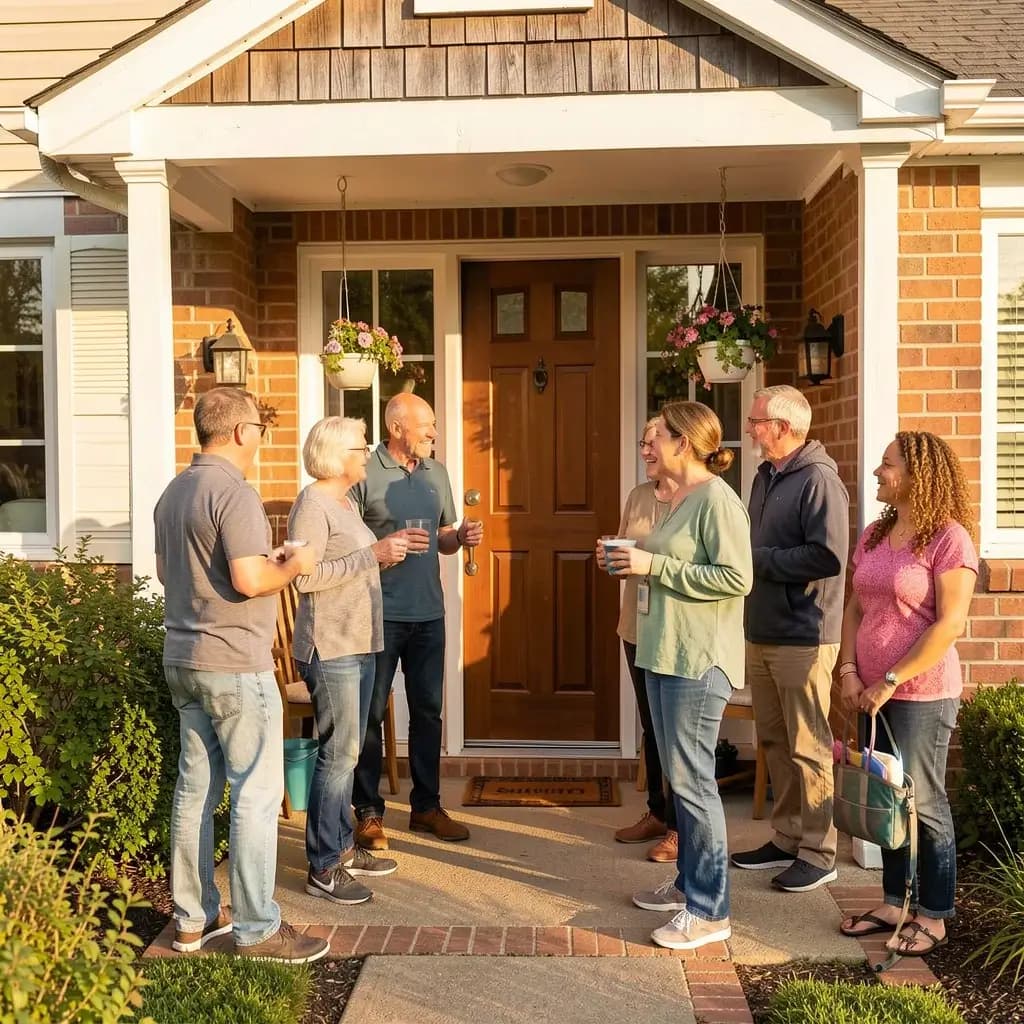
Neighbours chatting at a front door

Residential Care vs. Supported Living

The key distinction is this: in residential care, the provider owns or runs the building and provides care within it. The person lives there as a resident, not a tenant. In supported living, the person rents or owns their home through a separate arrangement with a landlord or housing association. The care provider delivers support under a different contract entirely. This separation is fundamental.

Legal Rights & Tenant Protection

This separation matters because it gives people legal rights as tenants. They cannot be moved without proper notice. They can decorate their room. They can have visitors when they choose. They can complain to the landlord about repairs just as any tenant would. The accommodation is genuinely theirs.

Key Components of Independence

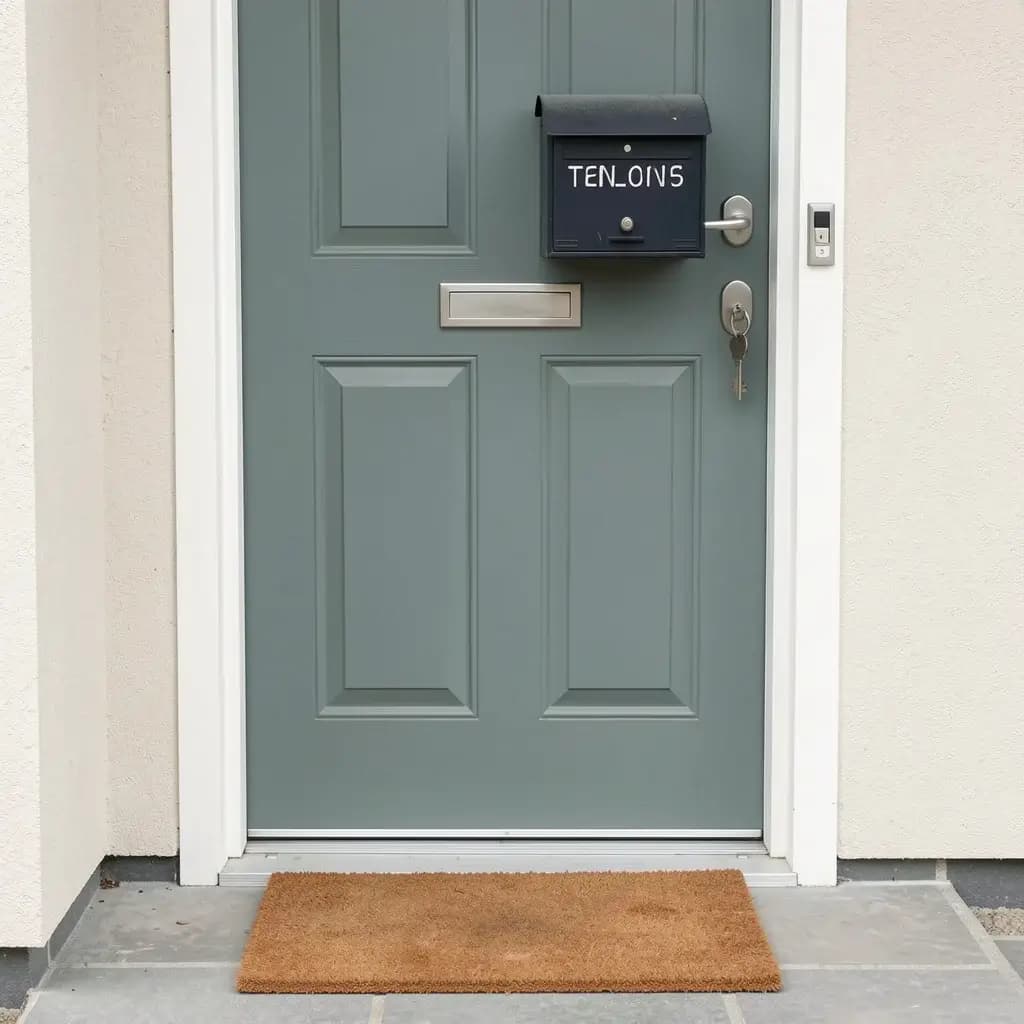
  • A front door with a doormat

    Own Tenancy

    Individuals hold their own tenancy agreement, giving them the same security of tenure and rights as any other person renting their home.
  • Friends with their arms around each other by a lake

    Social Freedom

    Full control over who visits, when they visit, and how they socialize. It's their home to share with family and friends.
  • A woman cooking in a kitchen

    Daily Choice

    From choosing what to eat and when, to decorating their space, daily life is directed by personal preference, not institutional schedules.

A Life of Your Own Making

  • Personalized care plans tailored to individual aspirations
  • Assistance with budgeting, shopping, and household management
  • Support to access education, employment, or community activities
  • 24/7 support availability while respecting privacy

Types of Supported Living Accommodation

Supported living takes different forms depending on individual needs and preferences. We offer a range of specialized environments designed for comfort, safety, and independence.

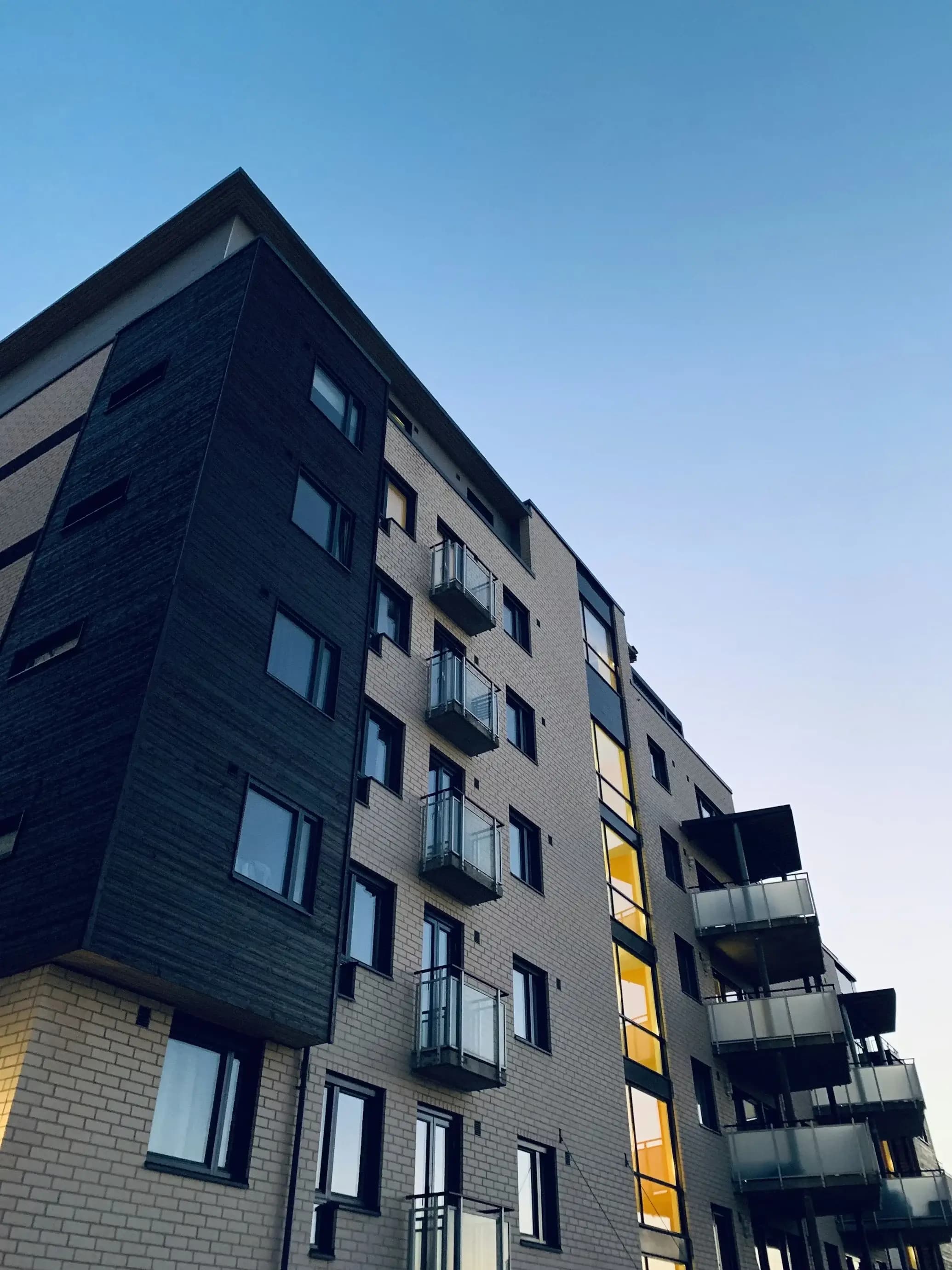
  • A brick and timber apartment building

    Self-contained Flats

    A person has their own flat with bedroom, living room, kitchen and bathroom. Support workers visit at agreed times or provide 24-hour background support from a nearby location, ensuring independence with a safety net.
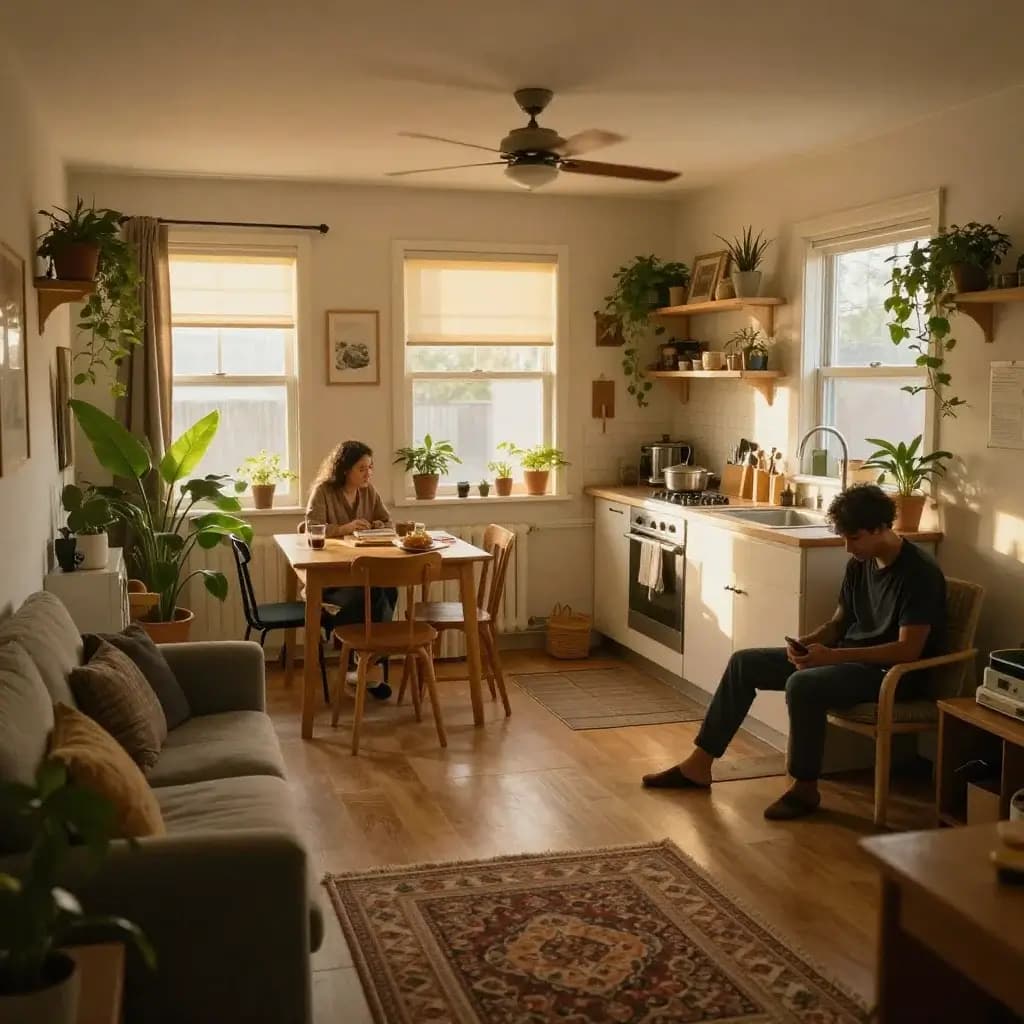
  • An open-plan flat living room

    Shared Houses

    Two to four people share a house, each with their own bedroom and often their own bathroom, sharing communal spaces like the kitchen and living room. Support staff may sleep in or visit throughout the day.
  • A modern apartment lounge at dusk

    Bungalows

    Purpose-built or adapted single-storey accommodation, specifically designed to be accessible. Often best suited to people with physical disabilities or mobility needs alongside learning disabilities.
  • A modern apartment block

    Supported Living Complexes

    A building with multiple flats where comprehensive support is available on site, often featuring a dedicated staff office or sleep-in facility for immediate assistance whenever needed.

Who Supported Living Is For

Supported living is designed for adults who need ongoing support but do not require the constant supervision of residential care. It suits people who want independence but cannot manage entirely on their own.

A nurse holding an older man's hand
1.4million
People with Learning Disabilities in UK
236K+
Autism Referrals (June 2025)
35.3%
Learning Disability & Autism Overlap
483K
Pupils with EHC Plans
  • A smiling group of wheelchair users

    Adults with Learning Disabilities

    Learning disability affects approximately 1.4 million people in the UK. It means a person learns more slowly and may need support to understand information, learn new skills, and manage everyday tasks. A learning disability is lifelong and affects each person differently. For many adults with learning disabilities, supported living represents a middle ground between the family home and residential care.
  • Hands holding an older person's hand

    Autistic Adults

    As of June 2025, there are 236,225 open referrals for autism assessment in England. Many autistic adults live independently, but some benefit from supported living where staff understand their communication style, sensory needs, and routines. NHS data shows that 35.3% of people with a learning disability also have an autism diagnosis.
  • Older people sitting in a circle in a park

    People with Mental Health Needs

    Supported living can provide stability for adults whose mental health affects their ability to manage daily living. This might include people who have spent time in hospital and need step-down support, or those whose conditions fluctuate and benefit from having someone check in regularly. It offers a crucial safety net while promoting autonomy.Focus: Stability and step-down support from hospital
  • Two young men talking on a sofa

    Young Adults in Transition

    In the 2024-25 academic year, 483,000 pupils in England had Education Health and Care plans, an 11.1% increase. Supported living is often the first step towards independence for young adults leaving the family home or specialist education. The transition from children's services to adult services is critical, planning typically begins at age 14.

What Good Supported Living Looks Like: The CQC Framework

The Care Quality Commission regulates all services that provide personal care, including supported living. Their Right Support, Right Care, Right Culture guidance sets out exactly what families and individuals should expect from a quality service.

  • A group walking along a high street

    Right Support

    The model of care and setting should maximise choice, control and independence. This means supported living should be in the community with good access to local amenities, not in isolated or secluded locations. People should be supported to use the same shops, cafes, leisure centres and healthcare services as everyone else. CQC expects services to avoid campus-style settings where multiple homes are clustered together sharing staff and facilities. This is because such arrangements can feel institutional and limit people's integration into ordinary community life.
  • Two women doing pottery

    Right Care

    Care should be person-centred and promote dignity, privacy and human rights. Support plans should focus on what people can do, not just what they cannot do. The best supported living providers use Positive Behaviour Support principles, which means understanding why someone behaves in certain ways and supporting them positively rather than using restrictive approaches.
  • Carers with older people at an outdoor cafe

    Right Culture

    The ethos, values, attitudes and behaviours of leaders and staff should ensure people lead confident, inclusive and empowered lives. CQC pays particular attention to preventing closed cultures, where people become isolated from the outside world and poor practice can go unnoticed.

Our Commitment to Excellence

We are dedicated to exceeding the CQC standards. Our supported living services are designed to provide a warm, home-like environment where every individual feels valued, heard, and empowered to live their best life.

What Genuine Tenancy Means For You

True independence starts with a clear separation between housing and care.

  • Direct Agreement

    The person signs a tenancy agreement directly with a landlord or housing association, not with the care provider. This ensures housing security independent of care needs.

  • Separate Payments

    Rent and care are paid separately, even if both are funded by the local authority. This financial separation is a key indicator of genuine supported living.

  • Provider Choice

    The person could, in theory, change their care provider without losing their home. Your home remains yours, regardless of who provides your daily support.

  • Legal Protections

    The landlord treats them as an ordinary tenant with all the legal protections that brings, including protection against unlawful eviction.

  • Shared Living Say

    They have a say in who else lives in shared accommodation. Compatibility and choice are respected to create a harmonious home environment.

  • Personalisation

    They can personalise their space, choose their furniture, and decide who visits. It's not just a room; it's a home that reflects their personality.

Distinguishing Residential Care from Supported Living

Understanding the difference is crucial for families. Genuine supported living offers a level of autonomy that residential care often cannot.

  • Tenants have their own front door key
  • Support is built around the person, not the building
  • Control over daily routines and lifestyle choices

What Support Is Included

Support in supported living is tailored to each individual. The level can range from a few hours per week to 24-hour one-to-one support. It all depends on assessed needs.

  • A smiling group of wheelchair users

    Personal Care

    For those who need it, personal care includes support with washing, bathing, dressing, toileting, and continence management.

    The key difference from residential care is that the person directs when and how this support happens wherever possible, ensuring they remain in control of their own care.

  • A person chopping food at a kitchen table

    Daily Living Skills

    Support workers help people develop and maintain skills for independent living:

    • Cooking and meal preparation, planning weekly menus
    • Shopping, online or in person, including budgeting
    • Housekeeping tasks like cleaning and laundry
    • Managing bills and handling money safely
    • Using public transport or arranging travel
  • A doctor typing on a laptop at a desk

    Health Support

    • Medication support: prompting, administration, and ordering prescriptions
    • Accompanying to GP, dentist, and hospital appointments
    • Housekeeping tasks like cleaning and laundry
    • Managing bills and handling money safely
    • Monitoring health conditions and communicating concerns
  • A group chatting in a shared lounge

    Social & Community

    We believe in full integration and active participation in society. Our support includes:

    • Accessing community activities, clubs, groups, and events
    • Building and maintaining friendships and relationships
    • Housekeeping tasks like cleaning and laundry
    • Pursuing education, volunteering, or employment
    • Maintaining contact with family members

Understanding How Supported Living Is Funded

Funding for supported living comes from two separate sources: housing costs and care costs. Understanding this separation is essential for planning future care.

  • A house keyring on a table

    Housing Costs

    Rent for supported living is typically paid through Housing Benefit. Because supported living counts as exempt accommodation when certain criteria are met, residents can often claim Housing Benefit to cover the full rent, even if it exceeds the usual Local Housing Allowance limits.
  • Hands holding a form at a table

    Care Costs

    The cost of support is separate from housing. If assessed as eligible under the Care Act 2014, the local authority will fund the care package. The person may be asked to contribute towards care costs following a financial assessment.
  • A list of costs on paper

    Individual Costs

    People in supported living are responsible for their own daily living expenses. They manage their own money with support where needed. This responsibility is a crucial part of the independence that supported living offers.

How Supported Living Works with Living Plus Care Services

Our approach is person-centred, collaborative, and focused on building confidence and independence. We work closely with individuals, families, and professionals to create tailored support plans that truly make a difference.

  1. Step 01

    Initial Conversation

    When you contact us, we take time to understand the situation. This might be a parent researching options for a young adult, a social worker seeking a placement, or someone wanting to move from residential care to something more independent. We listen first.

  2. Step 02

    Assessment and planning

    We work with the individual, their family, and their social worker to build a clear picture of support needs, preferences, goals, and aspirations. This informs both the type of accommodation that would suit them and the support package they need.

  3. Step 03

    Finding the Right Home

    We work with housing providers across Hertfordshire and Cambridgeshire to find suitable accommodation. This might be a vacancy in an existing shared house, a self-contained flat, or occasionally we work with commissioners to develop new accommodation for specific needs.

  4. Step 04

    Matching Support Staff

    We carefully match support workers to each person based on skills, experience, personality, and shared interests. Consistency matters. We aim to build a stable team around each person so they see familiar faces and can develop trusting relationships.

  5. Step 05

    Moving In

    The move into supported living is planned carefully. We support transition visits, help with practicalities like setting up utilities, and ensure the person feels comfortable and safe from the first night. Family members are welcome to be involved as much as they wish.

  6. Step 06

    Ongoing Support and Review

    Support plans are reviewed regularly and updated as needs change. We communicate with families, maintain close links with the local authority, and respond quickly to any concerns. Our goal is for the person to grow in confidence and independence.

Supported Living Compared to Other Options

Understanding the differences between supported living and other care options can help families make informed decisions about the best fit for their loved one.

A carer with an older woman in an armchair

Supported Living vs Residential Care

Supported Living

Supported living offers more independence and control. The person has their own tenancy, makes their own choices about daily life, and can change care provider without moving home. For many people, particularly younger adults, supported living provides a stepping stone towards greater independence.

Residential Care

In residential care, the provider owns or manages the building and provides care within it. Residents do not have tenancy rights. It suits people who need higher levels of supervision or a more structured environment with meals provided.

Supported Living vs
Domiciliary Care at Home

Domiciliary Care

Domiciliary care means visiting care in someone's existing home. It provides flexible support at specific times. However, it requires the person to already have somewhere to live suitable for their needs.

Supported Living

Supported living combines accommodation and care in a package, with the accommodation specifically designed or chosen to suit the person's needs. For someone leaving the family home for the first time, supported living provides both a home and a support structure.

A carer helping an older man stand from a sofa

Why Families Choose Living Plus Care Services

Our commitment to quality, local knowledge, and family partnership makes us the preferred choice for families across Hertfordshire and Cambridgeshire.

  • Local Knowledge & Relationships

    We are deeply rooted in Hertfordshire and Cambridgeshire. We have built strong relationships with local commissioners, housing providers, health services, and community organisations. We understand how local systems work and can navigate them effectively on behalf of the people we support.

  • CQC Registration & Quality

    Living Plus Care Services is registered with the Care Quality Commission. We deliver care strictly in line with CQC's Right Support, Right Care, Right Culture guidance. We submit to regular inspections because for us, quality is not negotiable—it's the foundation of everything we do.

  • Staff Training & Continuity

    Our support workers complete comprehensive training in learning disability awareness, autism understanding, and positive behaviour support. We prioritise continuity, matching staff carefully and minimising changes wherever possible. Familiar faces matter.

Family Communication

Moving a family member into supported living is a significant change. We keep families informed through regular updates, reviews, and open communication. We ensure you know your loved one is safe, well, and thriving. We make communication easy and responsive.

Areas We Cover

We provide supported living across Hertfordshire and Cambridgeshire from our CQC-registered branches. Local carers serving local communities.

Hertfordshire

CQC Rated GoodBased in Hatfield
4.9

Our Hertfordshire branch provides supported living across the county, from our office at 32 Market Place, Hatfield AL10 0LN.

  • St Albans
  • Watford
  • Hemel Hempstead
  • Stevenage
  • Hitchin
  • Welwyn Garden City
  • Hatfield
  • Letchworth
  • Waltham Cross
  • Borehamwood
  • Harpenden
  • Potters Bar
  • Bishops Stortford
  • Royston
  • Baldock
  • Knebworth
  • Brookmans Park
  • Shenley
  • London Colney
  • Wheathampstead
  • Berkhamsted
  • Tring
  • Rickmansworth
  • Abbots Langley
  • Redbourn

Cambridgeshire & Peterborough

01733 911656Peterborough, Cambridgeshire
20+ Reviews

Our Cambridgeshire branch covers Peterborough and surrounding areas, from our office at Stuart House, East Wing, St John's Street, Peterborough.

  • Peterborough
  • Cambridge
  • Huntingdon
  • Ely
  • St Neots
  • March
  • Wisbech
  • St Ives
  • Ramsey
  • Yaxley
  • Whittlesey
  • Chatteris
  • Soham
  • Littleport
  • Sawston
  • Godmanchester
  • Stamford
  • Sawtry
  • Eye
  • Crowland
  • Thorney
  • Market Deeping

Not sure if we cover your area? Call us on 0333 577 0877 to check availability.

Frequently Asked Questions

Frequently Asked Questions About Supported Living

Find answers to common questions about supported living. If you can't find what you're looking for, please call us on 0333 577 0877.

Chat with our team.