237 million
medication errors occur annually in England

Professional Medication Management
Professional medication support and reminders from trained carers in Hertfordshire and Cambridgeshire. CQC regulated. MAR charts, prescription collection, and safe administration.
CQC Rated Good
Regulated companionship care
9.2/10 on homecare.co.uk
Independently verified reviews
Safe Administration
Follows clear care plans
Trained Carers
Carefully selected and vetted
Medication support in home care is help from trained carers to ensure medication is taken correctly and safely at home. This ranges from gentle reminders through to direct administration support including tablets, liquids, creams, inhalers, and eye drops, depending on individual needs and carer training.

When medication is not taken correctly or on time, health conditions can worsen, independence is threatened, and hospital admission may become necessary. For many people, managing medication becomes increasingly difficult due to cognitive changes, physical limitations, complex medication regimes, or simply the challenges of living alone.

Professional medication support from trained carers helps people stay safe at home, maintain their health, and avoid preventable complications. Our carers work closely with GPs, pharmacies, families, and the people we support to make sure medication is managed safely and effectively.
All medication support follows clear care plans, uses MAR (Medication Administration Record) charts to document every dose, and operates within CQC standards and NICE guidelines. Our carers receive comprehensive medication training and must pass practical competency assessments before supporting with medication independently.
The scale of medication-related harm in England is significant and often preventable. Research shows that professional medication support can dramatically reduce these risks.
medication errors occur annually in England
of hospital admissions in over-65s are caused by adverse drug reactions
of people do not take medication as prescribed (non-adherence rate)
annual cost to NHS from medication non-adherence
Medication errors contribute to over 1,700 deaths and more than 22,000 serious harm incidents in England each year.
Many of these incidents are preventable with appropriate medication support, clear communication between healthcare professionals, and consistent monitoring of medication adherence and effects.
Worried about a loved one? Call us on 01707 707599 for a friendly, no-obligation conversation.
Families often notice gradual changes that suggest medication is not being managed safely. These warning signs indicate that medication support could prevent more serious problems.

If you recognise any of these signs, it is worth having a conversation about medication support. Early intervention helps prevent complications, maintains independence, and provides peace of mind for families.
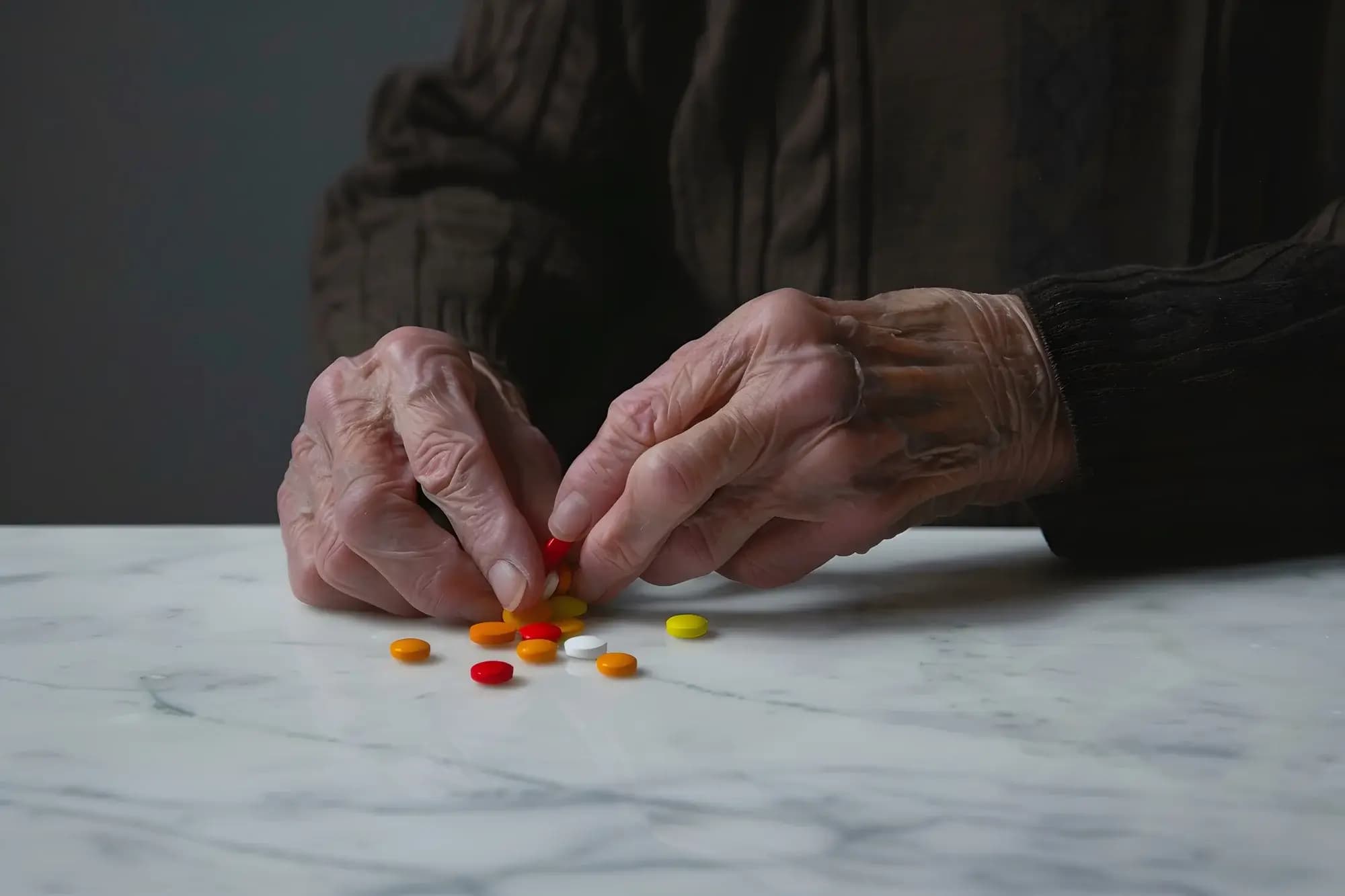
Polypharmacy (taking 4+ medications) is common in older adults. Managing multiple tablets, doses, and timings becomes complicated, especially when medications need to be taken at different times or with specific instructions.

Memory problems mean people with dementia may forget to take medication, forget they have already taken it and take it again, or become confused about which tablets to take. Familiar routines and gentle prompting help maintain medication adherence.

Reading labels, distinguishing between similar-looking tablets, and seeing dosage markings on syringes or inhalers becomes difficult with poor vision. Support helps ensure the right medication is taken safely.

Arthritis, Parkinson's disease, stroke, or other conditions affecting hand strength and coordination make opening packets, popping tablets from blister packs, or using inhalers challenging.

After a hospital stay, medication routines often change. New drugs are added, doses are adjusted, or medications are stopped. Having support during this transition period helps prevent errors and ensures recovery goes smoothly.

Depression, anxiety, or other mental health conditions can affect motivation and routine. Medication adherence is particularly important for managing these conditions, and gentle support helps maintain consistency.
Our carers provide comprehensive medication support tailored to individual needs. The level and type of support depends on what the person needs and what is documented in their care plan.
Verbal reminders at the right times, visual cues like placing medication in sight, and helping establish consistent daily routines that make medication part of regular habits.
Helping with tablets, capsules, liquids, creams, eye drops, inhalers, and patches. Our carers follow care plans and work within their training and competence levels.
Setting up pill organisers, dosette boxes, or NOMAD/MDS packs. Checking expiry dates and making sure medication is stored correctly.
Ordering repeat prescriptions, collecting medication from the pharmacy, and liaising with GP surgeries to make sure prescriptions are ready when needed.
Watching for side effects, noting any concerns about adherence, and reporting changes or problems to healthcare professionals and family members with consent.
Completing MAR (Medication Administration Record) charts accurately, maintaining clear records, and communicating effectively with families and healthcare teams.
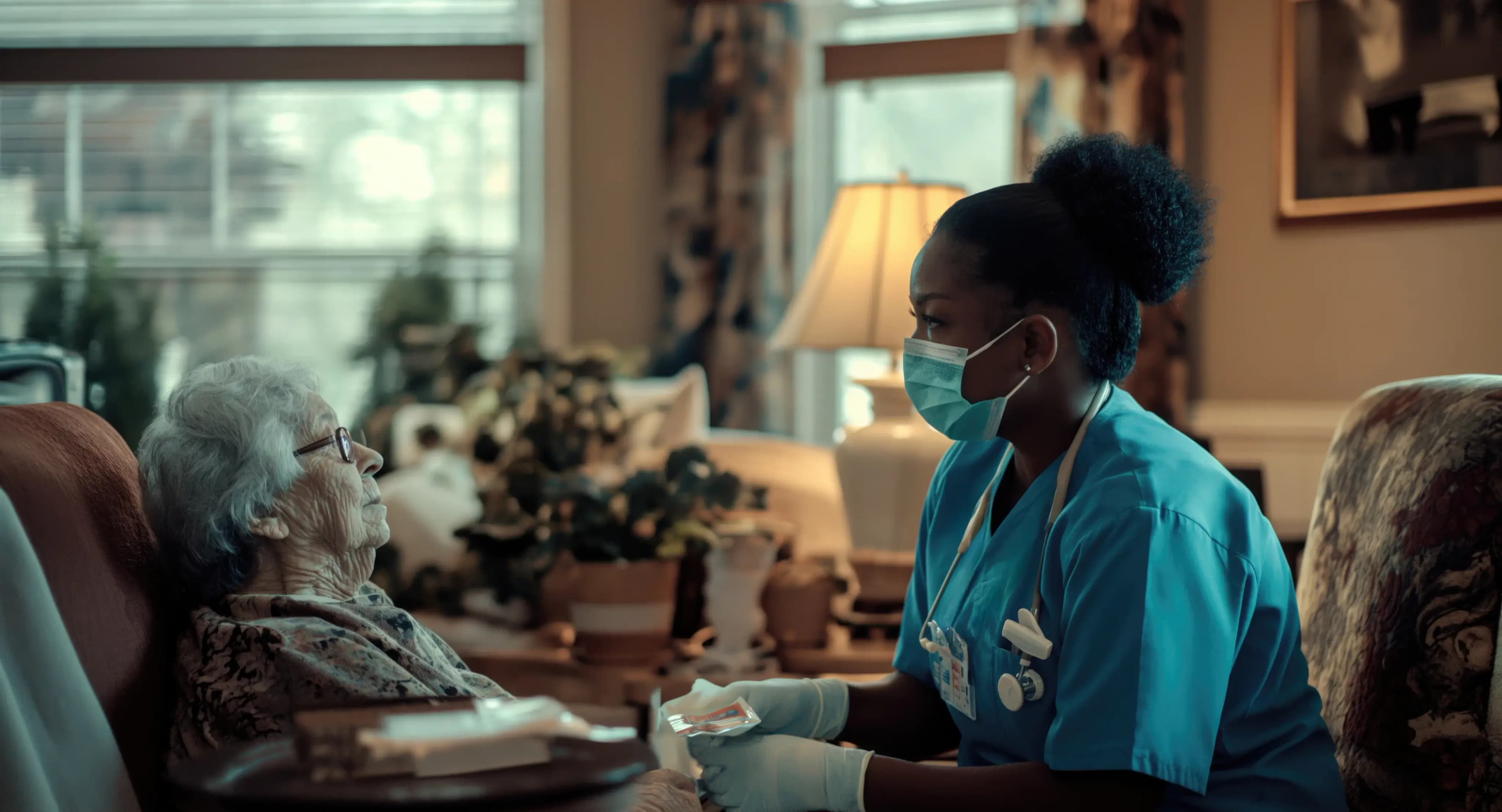
Medication support is delivered at different levels depending on individual needs and capabilities. We match the level of support to what the person needs and what carers are trained and competent to provide.
Level 1:
Reminding someone it is time to take their medication. The person takes the medication themselves. No direct handling of medication by the carer. Suitable for people who are capable but need reminders.
Level 2:
Direct support administering medication when the person cannot manage independently. Includes opening packets, measuring doses, and helping with application. Requires specific training and documented competency assessment.
Level 3:
Support with more complex medications such as insulin injections, PEG feeding medication, or medication requiring clinical skills. Usually provided by carers with additional training or by registered nurses.
Training & Compliance
Safety is at the heart of everything we do. Our medication practices follow CQC standards, NICE guidelines, and best practice recommendations to protect the people we support.

All carers receive medication training covering safe handling, administration routes, infection control, MAR chart completion, recognising side effects, and when to seek medical advice. Training is refreshed annually.
Carers must pass practical competency assessments before administering medication. We observe practice, review documentation, and ensure understanding of policies and procedures.
Every medication support plan details exactly what support is needed, what medications are involved, timings, and any special instructions. Plans are reviewed regularly and updated when medication changes.
Any medication errors or near misses are reported immediately, investigated thoroughly, and lessons are shared across the team. We work with healthcare professionals to prevent future incidents.
We use Medication Administration Record (MAR) charts to document every dose given. This creates an auditable trail and helps prevent missed doses or double dosing.
As a CQC regulated provider, our medication practices are inspected against national standards. We follow NICE guidelines and Care Quality Commission expectations for safe medication management.
Medication support is typically included within care visit charges rather than charged separately. Hourly rates for home care including medication support range from £22–£38 per hour depending on location, time of day, and complexity of care needed.
£22 - £38per hour
Depending on location, time of day, and complexity of care. The Homecare Association recommends a minimum rate of £32.14 per hour to ensure quality.
£72.65 - £108.55per week (2024 rates)
This benefit is not means-tested and can help towards care costs including medication support.
A minimum hourly rate of £32.14 to ensure quality care that pays carers fairly, provides adequate training, and maintains safe staffing levels. Rates below this recommended minimum may indicate corners are being cut on training, supervision, or carer pay.
Need help understanding funding options? Call us on 0333 577 0877 for guidance.
Request Free QuoteIf assessed as having eligible care needs, your local council may contribute to or fully fund care. This requires a care needs assessment and financial assessment. Medication support can be included as part of a care package.
For people with complex ongoing health needs, NHS Continuing Healthcare may fund all care costs including medication support. Eligibility is assessed through a formal process involving health and social care professionals.
If eligible for council funding, you may receive a direct payment to arrange your own care. This gives flexibility to choose your provider while ensuring quality and safety standards are met.
We provide transparent pricing with no hidden fees. During your free assessment, we discuss costs clearly and help you understand funding options that may be available.

We provide medication support and medication reminders across Cambridgeshire and Peterborough including:
Not sure if we cover your area? Call us on 01707 707599 to check availability.
OUR PREMIER CARE SERVICES
Our carers help with everyday tasks that make the difference between struggling at home and thriving at home.
 Learn More
Dignified support with washing, dressing, bathing, and getting ready for the day. Our carers take their time and respect your privacy.
 Learn More
More than just company – our carers build genuine relationships. From shared cups of tea to trips to the shops, we help reduce loneliness.
 Learn More
Help with medication reminders, prompts, and administration where agreed in your care plan. Our carers are trained and follow clear guidance to keep you safe.
 Learn More
Calm, consistent support from carers who understand dementia. We focus on maintaining routines, reducing anxiety, and helping families feel confident.
If you or someone you care about needs help managing medication safely at home, we are here to support you. Our trained carers provide professional medication support across Hertfordshire and Cambridgeshire.
Frequently Asked Questions
If you can't find what you're looking for, please call us on +44 1707 707599.
Chat with our team.