
Hospital to Home: Recovery Care Guide
Guide to arranging home care after hospital discharge. How to plan your recovery at home, what support is available, reablement services, and avoiding readmission.
8.5M+
Hospital discharges annually in England
30%+
Estimated unplanned readmission rate within 30 days
6 weeks
Duration of funded reablement services
70%+
Successful reablement outcomes avoiding long-term care
Coming Home from Hospital
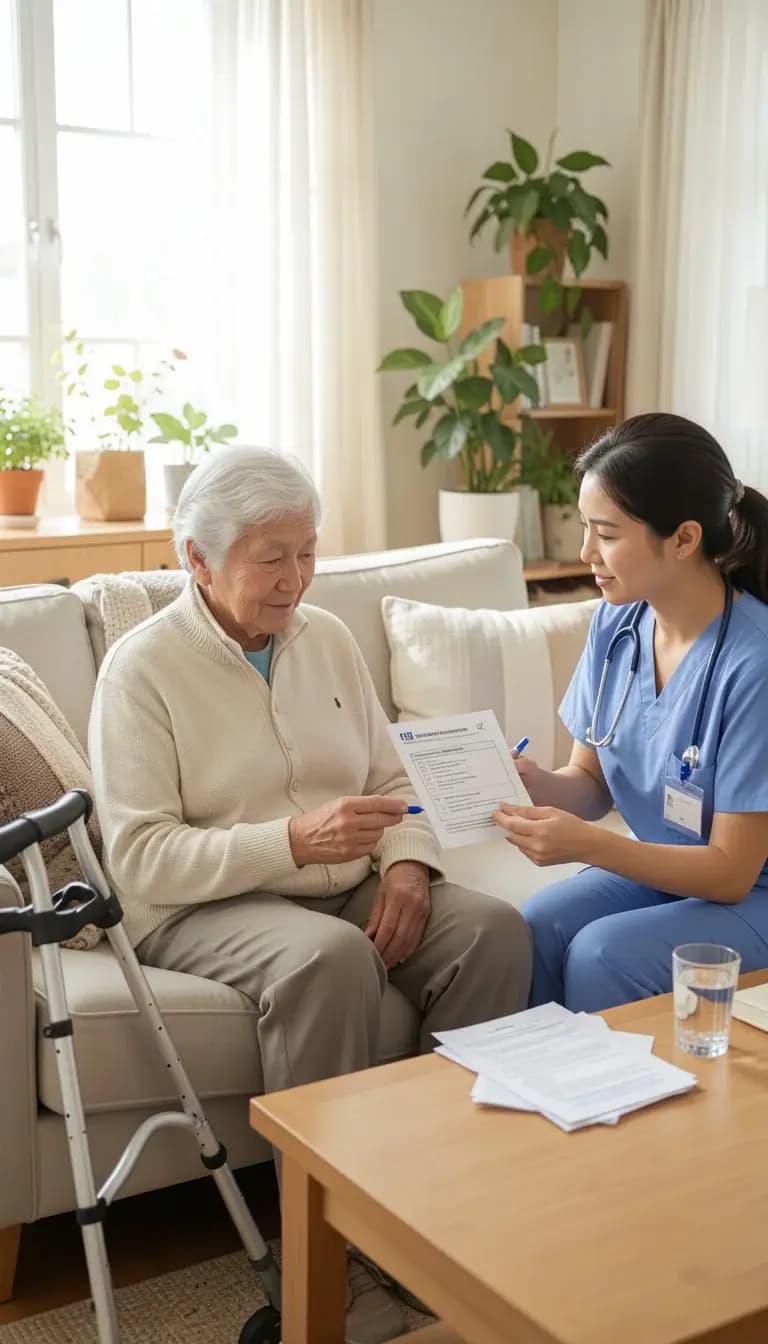
Leaving hospital to recover at home is a major transition. Understanding why good discharge planning matters, what to expect, and how to prepare yourself can make all the difference to your recovery.
Why Discharge Planning Matters
Hospital discharges have become increasingly rapid over the past decade. Shorter hospital stays mean people are often sent home whilst still recovering, and proper planning is essential to prevent readmission and ensure you can manage at home safely.
Poor discharge planning is one of the main reasons people are readmitted to hospital within 30 days. A strong plan means: clear information about your condition and medications, knowledge of what support is available, a safe home environment, and knowing when and how to seek help if problems arise.
The Emotional and Physical Challenges of Coming Home
Coming home after hospitalisation is not always straightforward. You may experience:
- Physical weakness and fatigue
- Pain or discomfort from your condition or surgery
- Loss of confidence in managing daily activities
- Anxiety about being alone or coping without hospital staff nearby
- Low mood or depression (common after prolonged hospital stays)
- Feelings of isolation if you cannot leave home immediately
These are all normal. Many people take weeks or months to regain full confidence and strength. The right support and time make recovery possible.
Who Is Involved in Discharge Planning
Your discharge is coordinated by a multidisciplinary team:
- Ward doctors and nurses who know your condition
- Ward discharge coordinator who is your main point of contact
- Occupational therapist who assesses your home environment and equipment needs
- Physiotherapist who may provide recovery exercises
- Pharmacist who reviews your medications for home
- Your GP, who will support your ongoing recovery in the community
Do not be shy about asking to speak to any of these team members before you leave hospital. It is your right to understand your discharge plan.
Your Rights During Discharge
Under the Health and Social Care Act, you have the right to:
- Be involved in decisions about your discharge
- Receive written information about your condition and medications
- Know how to access community support services
- Have a care plan in place before leaving hospital
- Appeal or request a delay if you feel unsafe to go home
- Request advocacy support if you need help understanding your options
Hospital Discharge Process
Since 2022, the hospital discharge process has changed significantly under the Discharge to Assess model. Understanding these pathways will help you know what to expect.
The Discharge to Assess (D2A) Model

The Discharge to Assess model aims to get people home quickly, where their needs can be properly assessed. Instead of spending weeks in hospital waiting for a social care assessment, you are discharged and assessed in your own home environment, where you are more likely to achieve independence.
The NHS, council, and care providers must work together to make sure you are not left without support. If you have complex needs that require assessment before discharge, this must happen before you leave hospital. If your needs can be assessed at home, this will be organised.
The Four Discharge Pathways
| Pathway | What It Means | Typical Timeline |
|---|---|---|
| Pathway 0 | Simple discharge. You have no new care needs arising from this hospital stay. You are discharged with information and instructions for self-care. | Same day or next day |
| Pathway 1 | You have new care needs but can be assessed at home. Short-term support such as reablement is arranged quickly. | Within 24 to 48 hours |
| Pathway 2 | You have moderate rehabilitation needs. You are referred to community-based rehabilitation services. Outcomes assessed in 6 weeks. | Within 48 hours, assessment in community |
| Pathway 3 | You have complex needs requiring detailed assessment in a residential setting. Your assessment happens in a temporary care placement. | Within 48 hours to care setting |
Preparing Before Leaving Hospital
The following should be in place before you are discharged:
- A clear discharge letter detailing your diagnosis, treatment, and follow-up appointments
- Updated medication list with explanations of why each medication is prescribed
- Practical instructions on wound care, exercise, diet, or other self-care
- Contact details for your GP practice
- Information about support services that have been arranged
- Knowledge of how to access 111 or emergency services if needed
- An arrangement for any follow-up appointments (usually arranged before you leave)
Medication on Discharge
Medication errors are a common cause of readmission. Before you leave hospital, make sure you understand:
- The name of each medication and what it does
- The dose and how often to take it
- How to take it (with food, with water, at a particular time)
- Any medications you should stop taking
- Whether you are collecting them from hospital or being prescribed them for the community
- When to collect prescriptions and from where
- Who to contact if you have side effects or questions
Ask for written instructions to take home. Many hospitals now provide a medication reminder chart or bottle labels with instructions. Do not leave hospital without being absolutely clear on your medications.
Reablement Services
Reablement is one of the most important services available after hospital discharge. If you have been given this option, it can significantly improve your recovery and independence.
What Is Reablement?
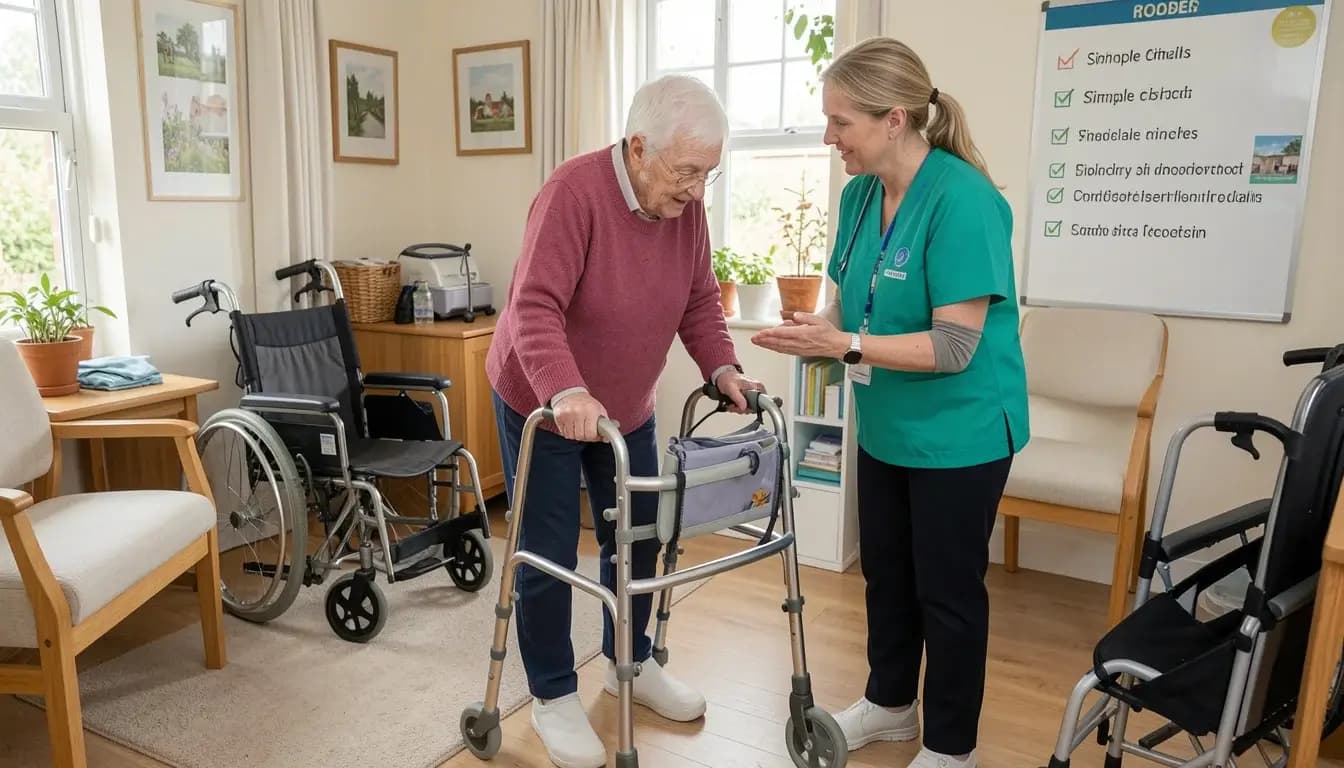
Reablement is short-term, intensive support (usually up to 6 weeks, sometimes extended to 8 weeks) designed to help you regain the skills and confidence to manage daily tasks independently. Unlike ongoing home care, which continues long-term, reablement is time-limited and goal-focused.
The goal is not to do things for you, but to help you do things for yourself. Reablement workers help you practise activities like getting washed and dressed, preparing meals, moving around your home safely, and managing household tasks. As you improve, they gradually reduce the level of support.
How Reablement Differs from Ongoing Home Care
| Aspect | Reablement | Ongoing Home Care |
|---|---|---|
| Duration | Time-limited, usually up to 6 weeks | Ongoing, for as long as needed |
| Cost | Free, funded by council and NHS | Means tested or private fee |
| Goal | Regain independence and reduce needs | Provide ongoing support |
| Intensity | Often daily visits, intensive support | Visits as needed, typically a few times weekly |
| Approach | Help you do it yourself; gradually reduce support | Support you with tasks you cannot do |
| Review | Assessed regularly with clear goals | Reviewed less frequently once in place |
| Next Steps | If successful, support ends. If not fully independent, transition to ongoing care | Continues indefinitely unless needs change |
What Reablement Includes
A typical reablement package includes:
- Help with personal care whilst encouraging independence (washing, dressing, toileting)
- Support with meal preparation; you are guided to cook or prepare simple meals
- Mobility support including exercises and practice moving around your home
- Help with household tasks like laundry, light cleaning, and managing medication
- Support rebuilding confidence and motivation
- Regular reassessment and goal-setting
- Liaison with your GP, physiotherapist, and other health services
How to Access Reablement
If reablement is appropriate, it is usually arranged before you leave hospital, or within 2 to 4 days of discharge. Your hospital discharge coordinator will inform you if reablement has been identified as part of your discharge plan.
If it has not been mentioned, and you believe you would benefit, contact your local council adult social care team and ask about reablement. You have the right to a care needs assessment, and reablement should be offered if appropriate.
Success Rates and Outcomes
Research consistently shows that reablement is highly effective:
- 70% of people who receive reablement avoid the need for ongoing home care or delay it significantly
- People regain independence in personal care, mobility, and household tasks
- Confidence and psychological wellbeing improve noticeably
- Hospital readmission rates are lower for those receiving reablement
- Overall, reablement represents excellent value, preventing the need for long-term, costly care
What Happens After Reablement Ends
At the end of your reablement period, your progress is reviewed. Three outcomes are common:
- You are now sufficiently independent and no further care is needed. You are provided with advice on maintaining your progress and warned of warning signs.
- You have improved but still need some ongoing support. The council will assess you for ongoing care and arrange funding if eligible.
- You have not progressed as hoped. A reassessment determines whether further support is needed, and arrangements are made for ongoing care.
You will never be discharged from reablement without a plan in place. If you will need ongoing support, this is arranged before reablement ends.
When You Need Ongoing Home Care
If reablement does not result in sufficient independence, or if your needs are too high for reablement from the outset, ongoing home care will be arranged.
If Reablement Is Not Enough
Some people, particularly those with degenerative conditions, complex medical needs, or very high dependency, will need ongoing home care after their reablement period ends. This is not a failure; it reflects the reality of your needs.
Ongoing home care provides regular, continuing support with the tasks you cannot do, even with reablement. It may be provided by the council, arranged privately, or a combination of both.
Arranging Care Through the Council
If you are eligible for council-funded care:
- The council undertakes a financial assessment to determine your contribution
- If you have savings below £14,250, the council funds your care in full
- Between £14,250 and £23,250, you contribute £1 per week for every £250 of savings
- Above £23,250, you are expected to self-fund, though the council may still help if you run out of money
- The council then either arranges a provider (older model) or gives you a direct payment to choose your own provider
Arranging Care Privately
Private home care offers more choice and flexibility. You select a CQC-registered provider, agree on the care package, and pay directly. Many people choose private care because:
- You have complete control over who your carers are
- You can adjust your package quickly if needs change
- You choose the provider whose approach and quality appeals to you
- There is no waiting list
- You can access services even if your local authority waiting list is long
Getting a Needs Assessment
If you have not had a formal care needs assessment, you have the legal right to one. Contact your local council and request an assessment under the Care Act 2014. It is free, and the council cannot refuse.
The assessment evaluates what you can and cannot do, what help you need, and what support will enable you to live as independently as possible. This assessment is the foundation of any care plan.
Financial Assessment for Ongoing Care
The council's financial assessment is separate from your care needs assessment. It determines how much you will pay. Important points:
- Your home is excluded from the assessment if you receive care at home (unlike care home residents)
- Assets up to £14,250 are fully disregarded
- Income, savings, and investments above this are assessed
- You can request a reassessment if your circumstances change
- If you cannot afford care, the council still has a duty to arrange it and will assist
Types of Post-Hospital Support
Post-hospital care comes in many forms, tailored to your specific needs and recovery stage.
Short-Term Intensive Care Packages
Immediately after discharge, you may receive intensive support for a few weeks. This typically involves multiple visits daily to help with personal care, medication, meal preparation, and mobility. This level of support is gradually reduced as you improve.
Personal Care Support
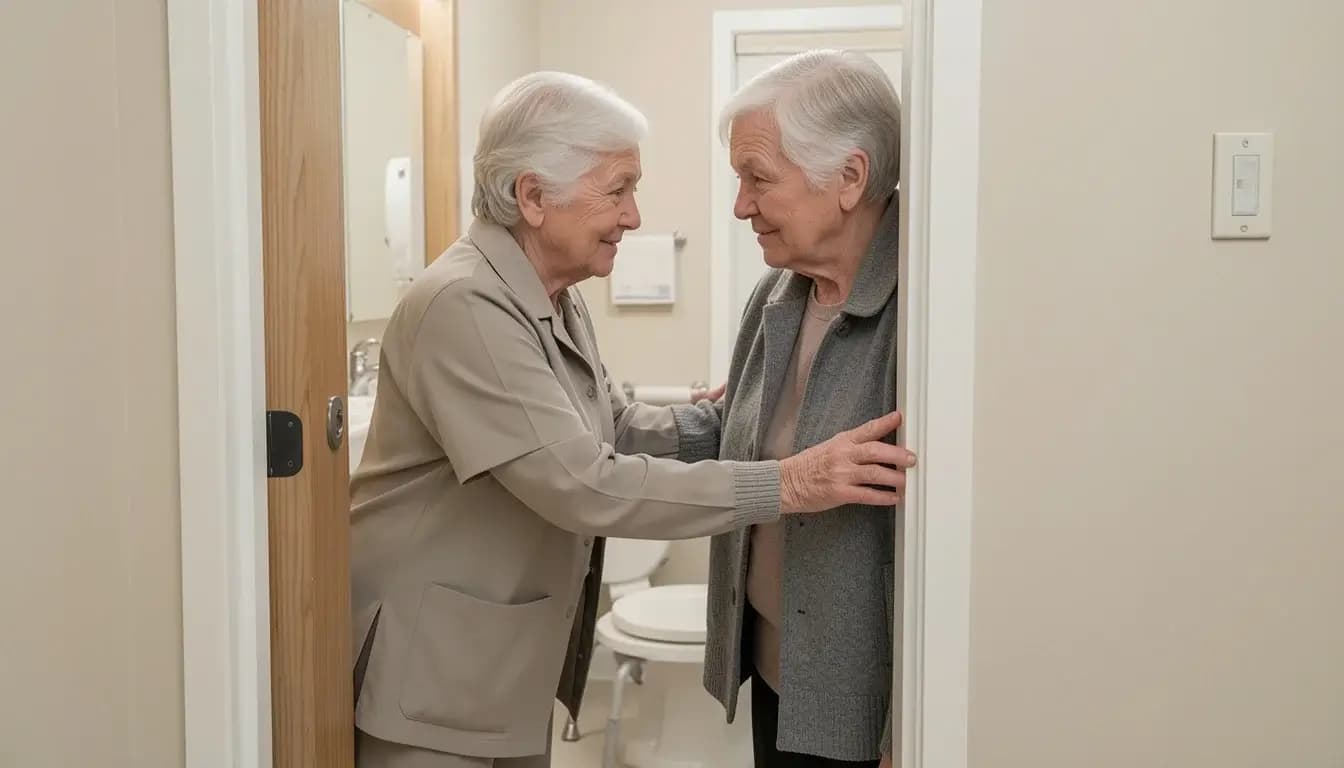
Help with washing, bathing, dressing, toileting, and maintaining personal hygiene. This is especially important as you recover physical strength and mobility. Carers provide this with dignity and respect for your privacy.
Medication Management After Discharge
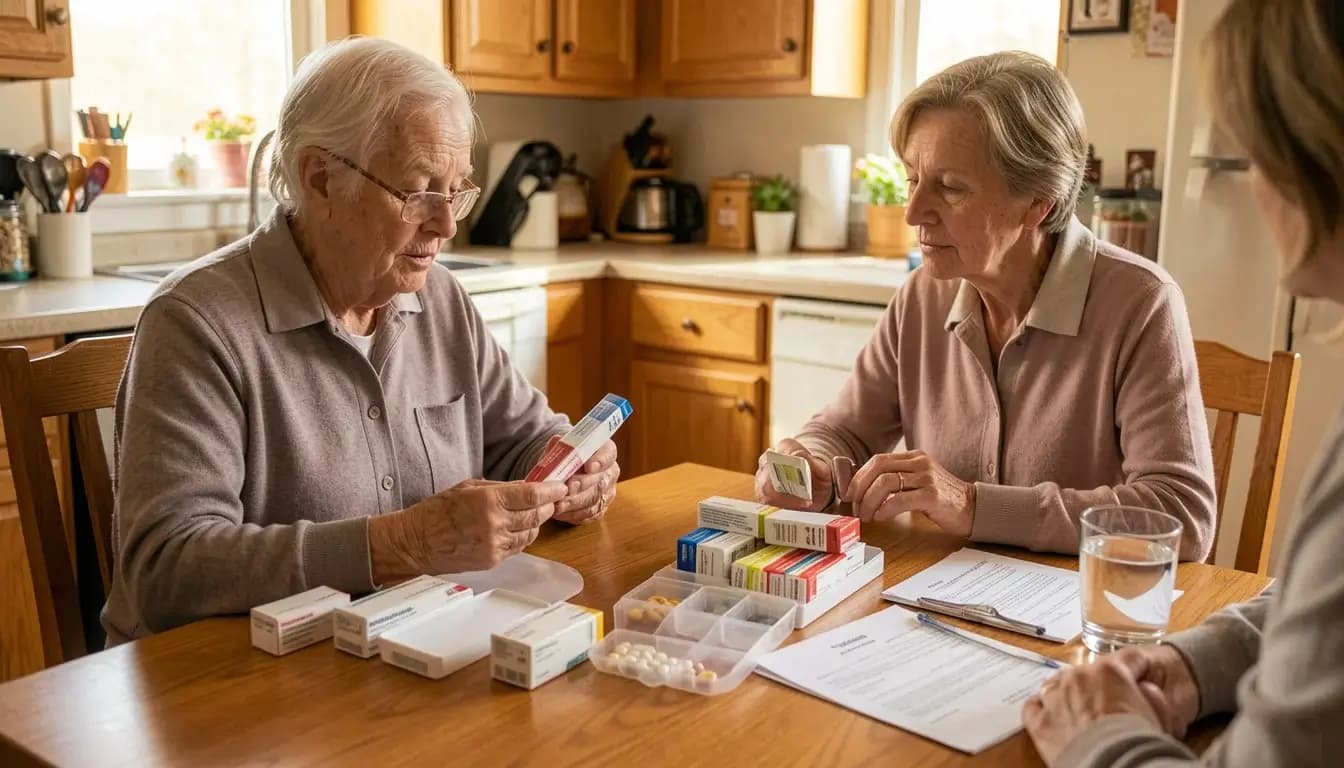
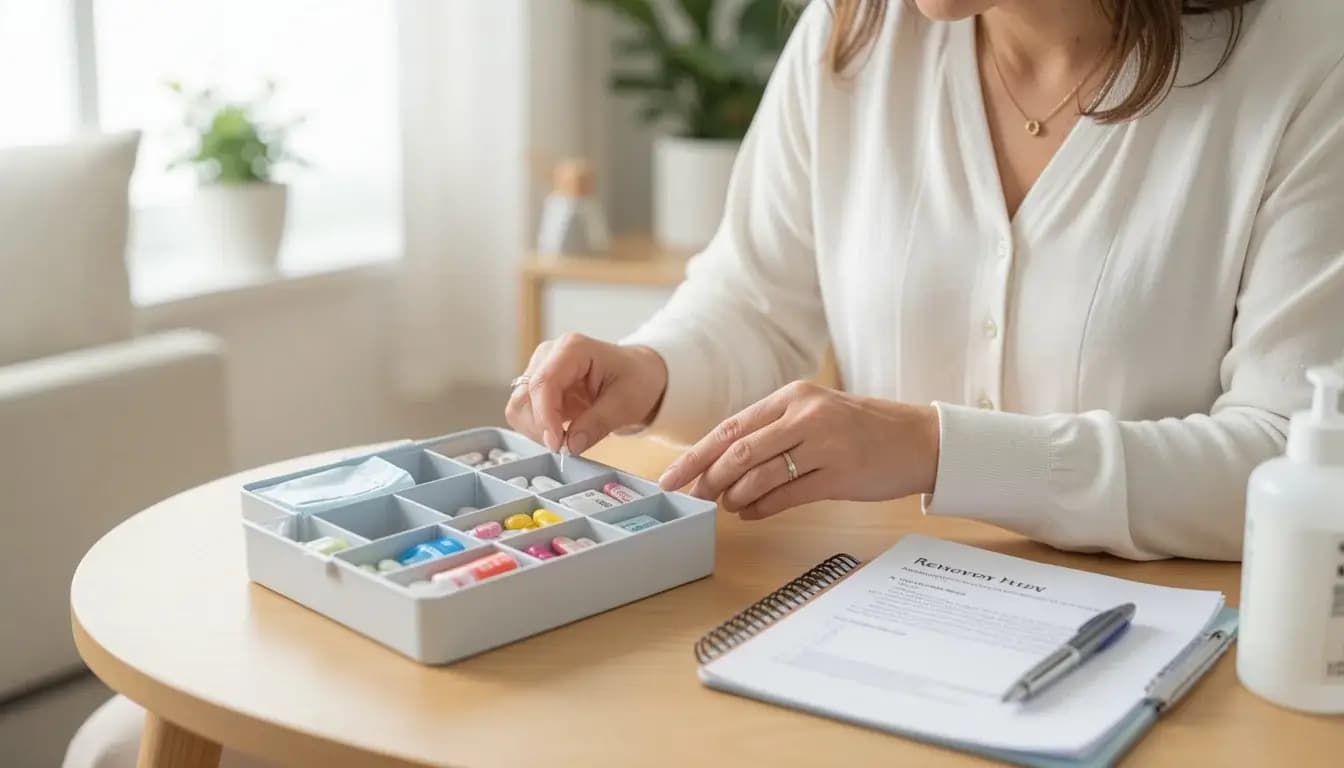
Many people struggle with complex medication routines after hospital. Post-discharge medication support includes reminders, prompts, organisation of tablets in compliance packs, and administration support where needed. Your pharmacist and GP work with your carers to ensure accuracy and safety.

Meal Preparation and Nutrition
Good nutrition is essential for recovery. Post-hospital support includes help preparing meals, prompts to eat and drink regularly, and awareness of dietary requirements from your hospital discharge information. Some people benefit from support establishing new routines and shopping.

Mobility and Rehabilitation Support
After surgery or a period of immobility, gentle exercise and mobility support are crucial. Carers help you practise exercises, assist with walking indoors and outdoors, and encourage safe mobility whilst preventing falls. Your physiotherapist provides guidance on appropriate exercises.
Night Care Following Surgery
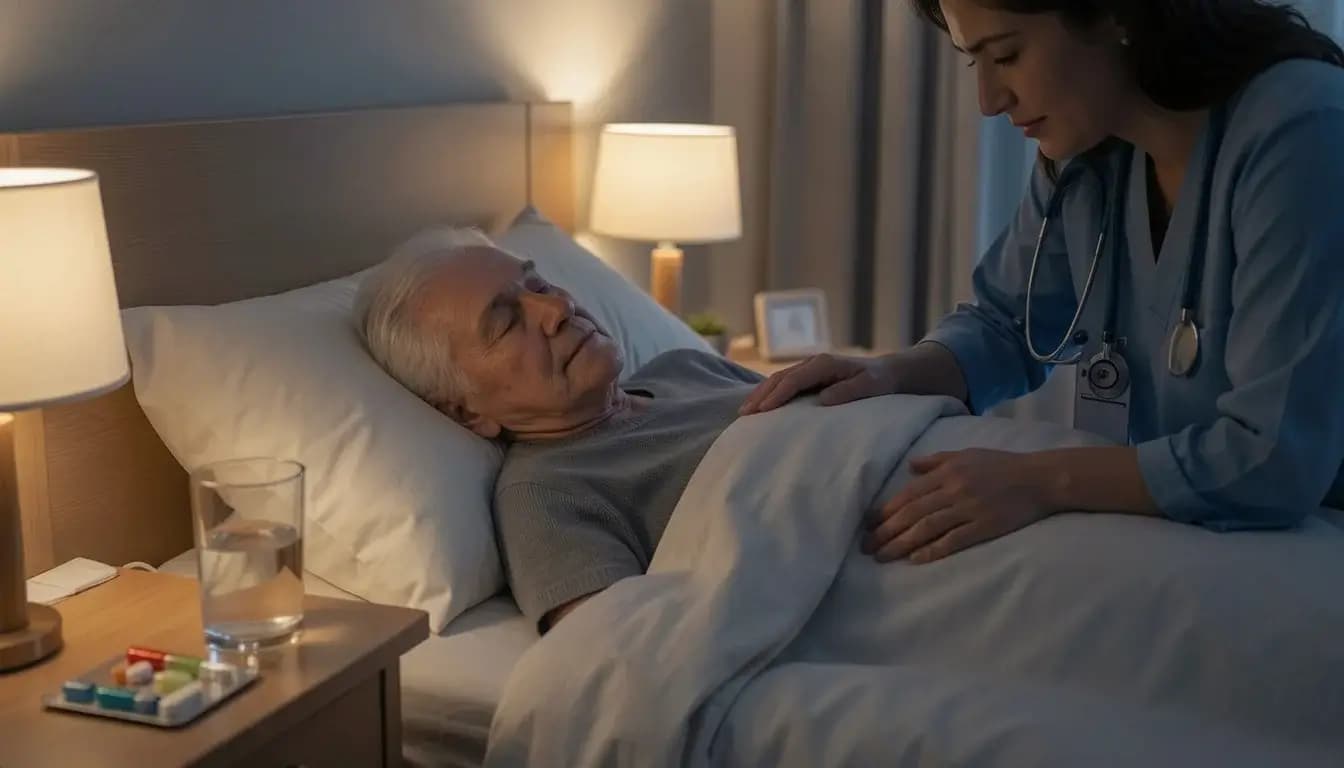
Some people need support during the night following major surgery or complex discharge. This may be sleeping night care (carer is present but asleep) or waking night care (carer is awake and available). This provides reassurance and access to help if you have pain or complications during the night.

Companionship During Recovery
Isolation and low mood are common after discharge. Companionship support provides social contact, encouragement, and emotional support. This helps you maintain motivation and can prevent depression during recovery.
Help with Household Tasks During Recovery
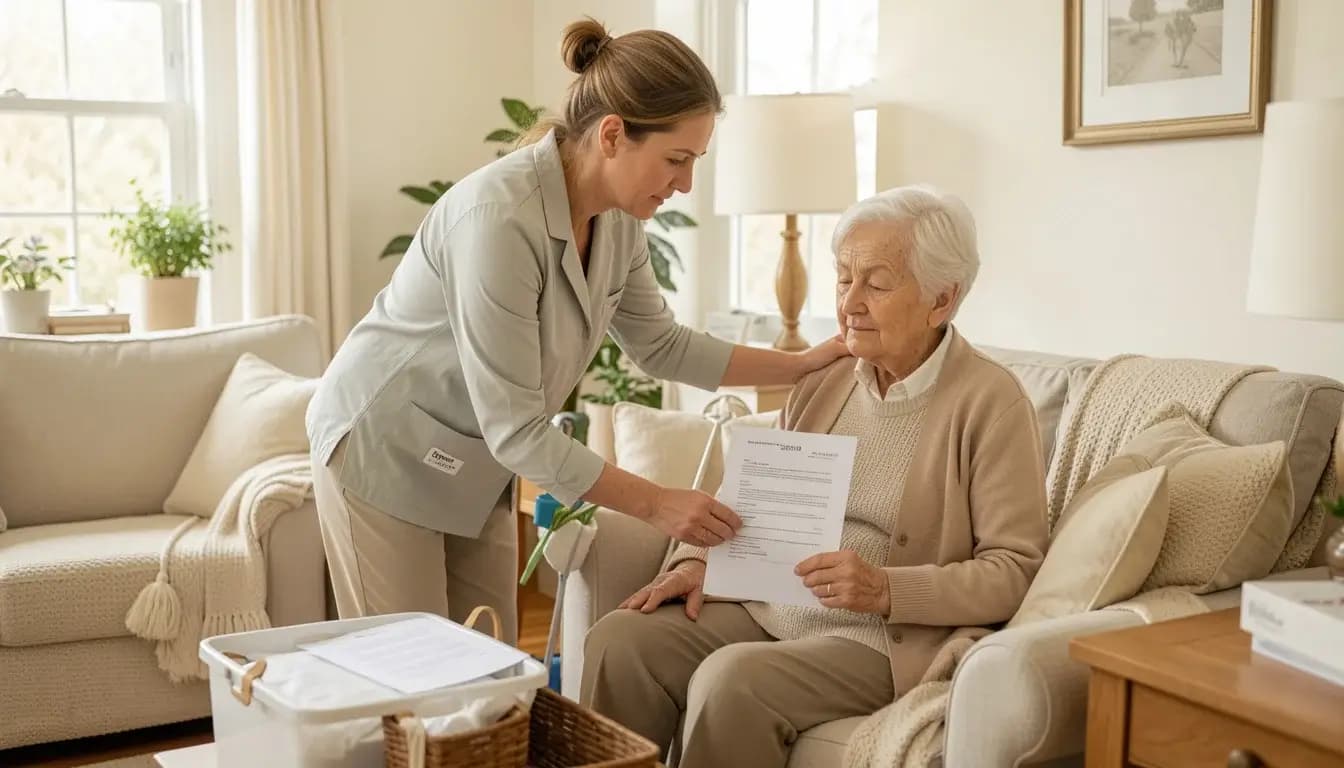
You may not be able to manage laundry, cleaning, or household jobs whilst recovering. Carers help with light housekeeping, laundry, and practical tasks, freeing you to focus on rest and recovery.
Are you finding it difficult to pick a support option?
Call us on 0333 577 0877 for a free, no-obligation conversation about your options.
Planning for Discharge
The best discharges are planned well in advance. If you have time to prepare, do so.
Start Planning Early
For planned procedures like elective surgery or hip replacement, planning should start before you go to hospital. Ideally, you should be thinking about post-operative support several weeks beforehand. This allows time to arrange care, prepare your home, and organise finances.
For emergency hospitalisations, planning begins as soon as you are stable enough, usually within a few days of admission.
Involve Family Members
Your family or close friends are important partners in your recovery. They can:
- Attend hospital meetings and understand your care plan
- Provide practical support like shopping or appointments
- Offer emotional support and encouragement
- Help interpret complex information from medical staff
- Spot warning signs of complications
- Advocate for you if you are not able to speak up for yourself
Make sure your family knows how they can help, and keep them involved in discharge planning conversations.
Speak to the Ward Discharge Coordinator
Your ward will have a discharge coordinator, social worker, or nurse whose job is to plan your discharge. Book a meeting with them to discuss:
- When you are likely to be discharged
- What care you will need at home
- Whether your home needs modifications
- Equipment you will need
- Your medications and follow-up appointments
- Who to contact if you have concerns
Assess Your Home for Safety
Before discharge, your occupational therapist will assess whether your home is safe for your recovery. You should also think about:
- Can you access the toilet and bathroom safely?
- Are there grab rails where you need them?
- Can you manage stairs, or do you need to sleep downstairs temporarily?
- Is the lighting adequate?
- Are there hazards like loose rugs or clutter that could cause falls?
- Can you reach your kitchen safely?
Arrange Equipment and Adaptations
Your occupational therapy assessment will recommend equipment and adaptations. These may include:
- Raised toilet seat or commode
- Shower chair or bath board
- Grab rails and handles
- Hospital bed, if you need help with positioning
- Walking frame or stick
- Bed blocks to elevate the head of the bed
Hospital equipment can often be loaned free through hospital equipment stores. Permanent adaptations may be funded through a Disabled Facilities Grant.
Stock Up on Essentials
Before discharge, make sure you have:
- Medications (if not being collected after discharge)
- Groceries, ready meals, or meal delivery services
- Household essentials like soap, toilet paper, and paper towels
- Clothing and underwear you can manage easily (loose fitting may be preferable)
- First aid supplies
Arrange Transport Home
Do not underestimate the importance of planning your journey home from hospital. Make sure you have:
- Reliable transport arranged in advance
- Help to carry bags and assist with mobility
- A realistic plan for getting into your home (stairs, doors, accessibility)
- Arrival at a time when support is in place if care is starting
Some people are not ready to leave hospital and request a delay. This is your right if you genuinely feel unsafe. Do not accept discharge if you have serious concerns.
Making Your Home Safe for Recovery
Your home must be a safe environment for recovery. Falls are a major risk after hospitalisation, and simple changes can prevent them.
Fall Prevention After Hospital
Falls are one of the most common complications after discharge. Prevention involves:
- Removing tripping hazards like loose rugs and clutter
- Ensuring adequate lighting, especially on stairs and in the bathroom
- Installing grab rails in the bathroom and on stairs
- Using non-slip mats in the bathroom and kitchen
- Wearing appropriate footwear (no slippers on stairs)
- Taking medications as prescribed (some affect balance)
- Using mobility aids like walking frames or sticks if recommended
- Being cautious with climbing and stretching until you are fully recovered
Temporary Equipment Loans
Many items can be borrowed free or at low cost from hospital equipment stores or community equipment libraries:
- Hospital bed or profiling bed
- Commode or raised toilet seat
- Walking frame, crutches, or stick
- Bath board or shower chair
- Bed blocks for elevation
- Pressure relief cushions if needed
Contact your local hospital or council to find your nearest equipment store. These services are usually free for hospital patients in the first few weeks.
Bathroom Adaptations
The bathroom is where falls are most common. Adaptations include:
- Grab rails beside the toilet and in the bath or shower
- Shower chair or bath board
- Non-slip mats
- Handheld shower head
- Raised toilet seat
- Walk-in shower if accessible (for longer-term needs)
Stair Management
If you have stairs and cannot manage them safely:
- Sleep downstairs temporarily
- Arrange a downstairs toilet if possible
- Use a handrail and move slowly, one step at a time
- Avoid carrying items up stairs
- Consider a stair lift if you will need help for weeks (rental available)
Kitchen Accessibility
Make your kitchen work for you:
- Store everyday items at waist height, not on high shelves or low cupboards
- Use lightweight cooking equipment
- Sit down to prepare meals if standing is tiring
- Keep a work surface clear for preparing food
- Ensure appliances are within reach
Bedroom Setup
Your bedroom should be supportive of recovery:
- A firm, comfortable bed (or hospital bed if recommended)
- Bed blocks to elevate the head if needed for breathing or comfort
- A firm pillow and support cushions
- Bedside table within reach for water, medications, phone
- Good lighting for nighttime
- Warm and cool options for managing temperature
Community Equipment Stores
Most areas have a community equipment service that loans items free or cheaply. Contact your local council or ask your hospital for details. This is much cheaper than buying, and items can be returned when you no longer need them.
Disabled Facilities Grants
If you need permanent adaptations, you may be eligible for a Disabled Facilities Grant from your local council. This can fund adaptations like grab rails, accessible showers, ramps, and other modifications. Contact your local authority's housing team to discuss eligibility and apply.
Preventing Hospital Readmission
Readmission to hospital within 30 days is common but often preventable. Understanding the risks and taking action dramatically improves your chances of successful recovery at home.
Common Causes of Readmission
Research shows that most emergency readmissions are due to:
- Medication errors or confusion about medications
- Infection, particularly wound infections or urinary tract infections
- Deterioration from poor nutrition and hydration
- Lack of follow-up or delayed treatment of warning signs
- Falls or injuries at home
- Chest infections, particularly in those recovering from surgery
- Poor management of chronic conditions like heart failure or COPD
Medication Management
Medication errors are a leading cause of readmission. Prevent problems by:
- Understanding every medication and why you take it
- Using a pill organiser or compliance pack to avoid confusion
- Taking medications exactly as prescribed; do not miss doses
- Reporting side effects immediately to your GP
- Asking your pharmacist if you have concerns
- Keeping a medication list and showing it to any healthcare professional you see
Recognising Warning Signs
Know the warning signs that require medical attention. Contact your GP or call 111 if you notice:
- Fever or feeling very cold and shivery
- Increasing pain, redness, swelling, or discharge from a wound
- Persistent nausea, vomiting, or inability to keep down food or drink
- Signs of infection (cloudy urine, burning when urinating, worsening confusion)
- Severe headache or stiff neck
- Difficulty standing or severe dizziness
- Sudden worsening of your main condition
When to Call GP vs 111 vs 999
Understanding when to seek help at what level is important:
| Situation | Action | Contact |
|---|---|---|
| Minor concern, question about care or medications | Can wait until surgery is open | Your GP practice |
| Urgent but not life-threatening (wound problem, mild fever, concerns about symptoms) | Need medical advice same day or next day | NHS 111 (or GP out-of-hours) |
| Serious or life-threatening (chest pain, severe shortness of breath, unconsciousness, serious bleeding) | Immediate emergency care needed | 999 Ambulance |
When in doubt, call 111 or your GP. It is always better to be cautious. Hospital staff would rather you ask than miss a serious complication.
Follow-Up Appointments
Your hospital discharge letter will outline follow-up appointments. These are crucial:
- Attend all follow-up appointments with your hospital doctor or specialist
- If you cannot attend, contact the hospital immediately to reschedule
- Write down any questions or concerns before the appointment
- Ask for clear instructions on what to do at home based on what the specialist finds
- Ensure your GP is informed of all follow-up findings
Nutrition and Hydration During Recovery
Good nutrition and hydration are essential for healing:
- Eat regular meals and snacks, even if you have poor appetite
- Choose protein-rich foods (chicken, fish, eggs, beans) to support healing
- Include fruits and vegetables for vitamins and fibre
- Drink regularly throughout the day; aim for 6 to 8 glasses of fluid daily
- Avoid excessive caffeine and alcohol
- If swallowing is difficult or appetite is very poor, discuss nutritional supplements with your GP
- Keep track of what you eat and drink, especially if problems develop
Gentle Exercise and Mobility
Movement aids recovery and prevents complications like blood clots and pneumonia:
- Start with very gentle movements as advised by your physiotherapist or hospital staff
- Gradually increase activity as you feel stronger
- Walking is excellent if you can manage it safely
- Do prescribed exercises regularly, even if they seem easy
- Avoid overexertion; rest when tired
- Do not engage in heavy lifting or strenuous activity until cleared by your doctor
Mental Health During Recovery
Depression and anxiety after hospitalisation are common and treatable. You may experience:
- Persistent low mood
- Loss of interest in things you normally enjoy
- Sleep disturbance
- Anxiety about your health or ability to manage
- Feeling tearful or emotional
These are not weakness; they are normal responses to illness and trauma. Talk to your GP if you are struggling. Support is available, including counselling, talking therapies, and medication if needed.
Funding Post-Hospital Care
Understanding funding options is essential as you plan your recovery support.
Reablement Is Free
Reablement services are fully funded by the council and NHS for up to 6 weeks. There is no means test and no charge, regardless of your income or savings.
After Reablement: Means Testing Applies
If you need ongoing care after reablement, the council will conduct a financial assessment. The key thresholds in 2025/26 are:
- Below £14,250 in savings: council funds care in full
- £14,250 to £23,250: you contribute £1 per week for every £250 above £14,250
- Above £23,250: you are expected to self-fund (though the council will assist if you run out of money)
NHS-Funded Intermediate Care
Some people qualify for free intermediate care through the NHS. This is specialist short-term rehabilitation, usually provided in a community setting or at home. It is not means tested and is fully funded by the NHS.
Continuing Healthcare If Complex Medical Needs
People with complex medical needs may qualify for NHS Continuing Healthcare (previously called NHS Continuing Care). This is free care funded entirely by the NHS. Your hospital or GP can refer you if they believe you have complex medical needs that warrant full NHS funding.
Attendance Allowance
If you are over State Pension age and have care needs, you may be eligible for Attendance Allowance. This benefit is not means tested and can be up to £110.40 per week (higher rate, 2025/26). Apply early after discharge, as there is often a waiting time.
Winter Pressures Funding
During winter months, additional temporary funding is sometimes made available to support care and prevent winter hospital admissions. Ask your council if you may be eligible.
Charity Grants
Some people qualify for grants from charities supporting their condition or circumstances. Ask your social worker or GP whether you might be eligible for any local or national charity support schemes.
Support for Family Carers After Hospital Discharge
Family members and friends often provide crucial support during recovery. However, caring can be demanding and stressful. Support is available.
Carer's Assessment
Under the Care Act 2014, anyone providing regular unpaid care has the right to a free carer's assessment from their local council. This assesses:
- How much you are caring and what you do
- How caring affects your own health, work, and wellbeing
- Deterioration from poor nutrition and hydration
- Your ability to provide care into the future
Practical Training from Hospital Staff
Before discharge, ask hospital staff to show you:
- How to help safely with personal care
- How to support mobility and movement without injuring yourself
- How to recognise warning signs
- How medications should be given
- What to do if a problem arises
Do not be shy about asking for training. Good preparation prevents both injury to you and gaps in care.
Emotional Support
Caring is emotionally demanding. Support available includes:
- Carers' support groups where you can meet others in similar situations
- Counselling and talking therapies
- Respite care to provide you with a break
- Peer support and advice from experienced carers
Speak to your GP or local carers' organisations for available support in your area.
Respite Care
Respite care provides temporary support so carers can take a break. This might be a few hours whilst you are at a day centre, an overnight stay in a care setting, or regular home care visits to take over whilst you go out. Contact your local council to discuss respite options.
Carer's Allowance
If you are caring for someone for at least 35 hours per week and the person receives certain benefits, you may qualify for Carer's Allowance. This is currently £81.90 per week (2025/26). You must apply; it is not automatic.
Local Carers' Organisations
Most areas have a local carers' centre or organisation providing advice, support, and practical help for carers. Ask your GP, social worker, or local council for contact details.
Local Hospital Discharge Support
If you are in the Hatfield or Peterborough areas, here is guidance on local hospitals and services.

Lister Hospital, Stevenage
The Lister Hospital is the main acute hospital for Hatfield and surrounds. Discharges from the Lister are coordinated by the Integrated Discharge Team. The hospital works closely with Hertfordshire County Council and local GP practices to arrange discharge support.
Queen Elizabeth II Hospital, Welwyn Garden City
QE II Hospital provides acute services for parts of Hertfordshire. Discharge planning follows the same Discharge to Assess model, with coordination between hospital, council, and primary care services.
Peterborough City Hospital
Peterborough City Hospital serves Peterborough and surrounding areas of Cambridgeshire. Discharges are coordinated by Peterborough's adult social care and working with GP practices across the area.
Local Council Discharge Teams
Both Hertfordshire County Council and Cambridgeshire County Council have dedicated discharge planning teams. They work directly with hospitals to arrange council-funded care, reablement, and support services.
Living Plus Care Services Post-Hospital Care Packages
Living Plus Care Services provides CQC-registered home care across Hatfield and Peterborough. We specialise in post-hospital care packages, working closely with hospitals, GPs, and reablement teams to provide seamless, coordinated support during your recovery.
Whether you are discharged to reablement or need ongoing care, we can help. Our care packages are personalised and flexible, adjusting as you improve.
Get in Touch
Contact Living Plus Care Services for a free post-hospital care assessment. Hatfield: 01707 707599. Peterborough: 01733 911656. We are available 7 days a week.
Need Help Understanding Your Care Assessment?
Living Plus Care Services offers free home assessments and can explain your options in detail. We are here to support you through the process and help you access the care you need.
Get in Touch: www.livingpluscare.co.uk/contact