Dementia Care at Home: Complete Guide
How to support someone with dementia whilst they live at home, with practical advice on daily care, safety, costs, and family carer support.
~944,000
People living with dementia in the UK
1.6 million
Projected to reach by 2040
80%
Live at home with support
5.9 million
Family carers affected by dementia
Understanding Dementia
Dementia is not a single disease, but an umbrella term for a range of progressive conditions that affect the brain. Each type of dementia develops differently and affects people in different ways, but all involve a decline in mental abilities severe enough to interfere with daily life.
Main Types of Dementia
Alzheimer's disease
The most common type, accounting for 50 to 60 per cent of all dementia diagnoses. It involves a progressive loss of memory and thinking skills.
Vascular dementia
The second most common type, caused by reduced blood flow to the brain following strokes or small vessel disease.
Frontotemporal dementia
Affects the front and sides of the brain, often impacting personality, behaviour, and language before memory problems develop.
Dementia: Key Facts
- Around 944,000 people in the UK are living with dementia, and this number is projected to reach 1.6 million by 2040.
- Dementia is progressive, meaning symptoms gradually worsen over time.
- The pace of progression varies greatly between individuals, depending on the type of dementia, age, and overall health.
- Early diagnosis enables better planning, access to treatments and support, and involvement of the person in decisions about their future.
- With the right support, many people with dementia can remain at home throughout their journey.
Lewy body dementia
Characterised by protein deposits in the brain, often involving fluctuating alertness, visual hallucinations, and movement problems similar to Parkinson's disease.
Can Someone with Dementia Stay at Home?
The short answer is yes. Most people with dementia live at home, and with the right support in place, many stay home throughout their journey, from diagnosis through to the advanced stages of the condition.
Why Home Is Often the Best Place
Living at home offers significant benefits for someone with dementia:
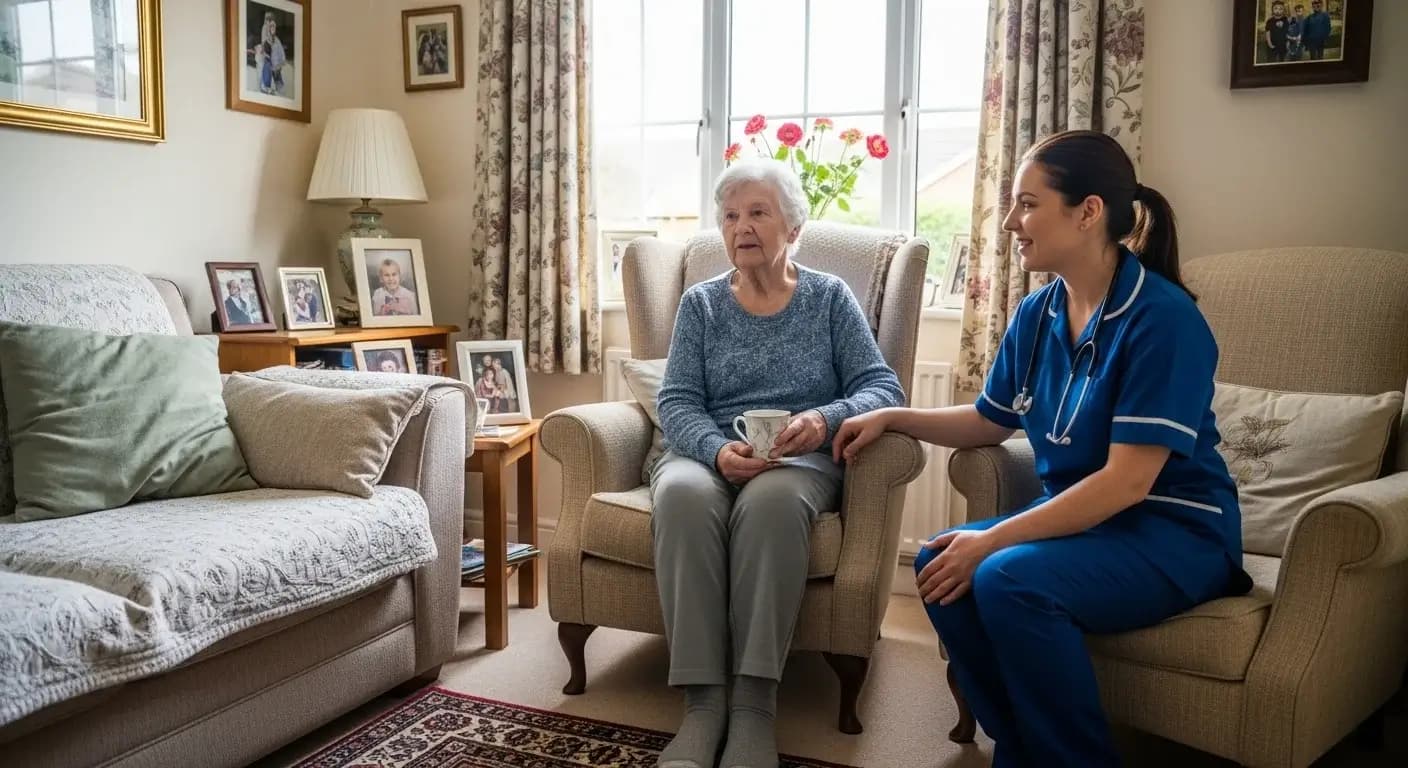
Familiar surroundings reduce confusion and help the person feel safe and orientated.
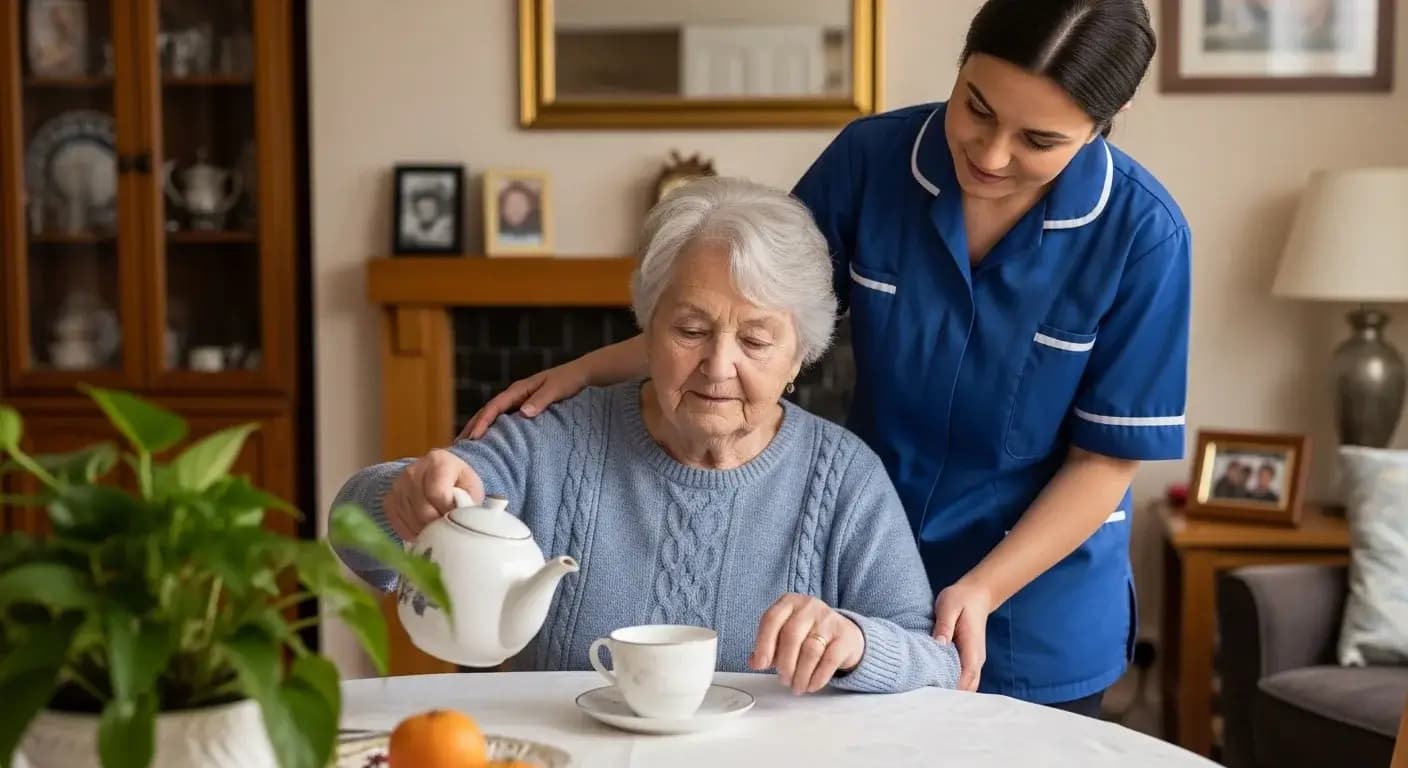
Familiar routines are easier to maintain, which reduces anxiety and distress.
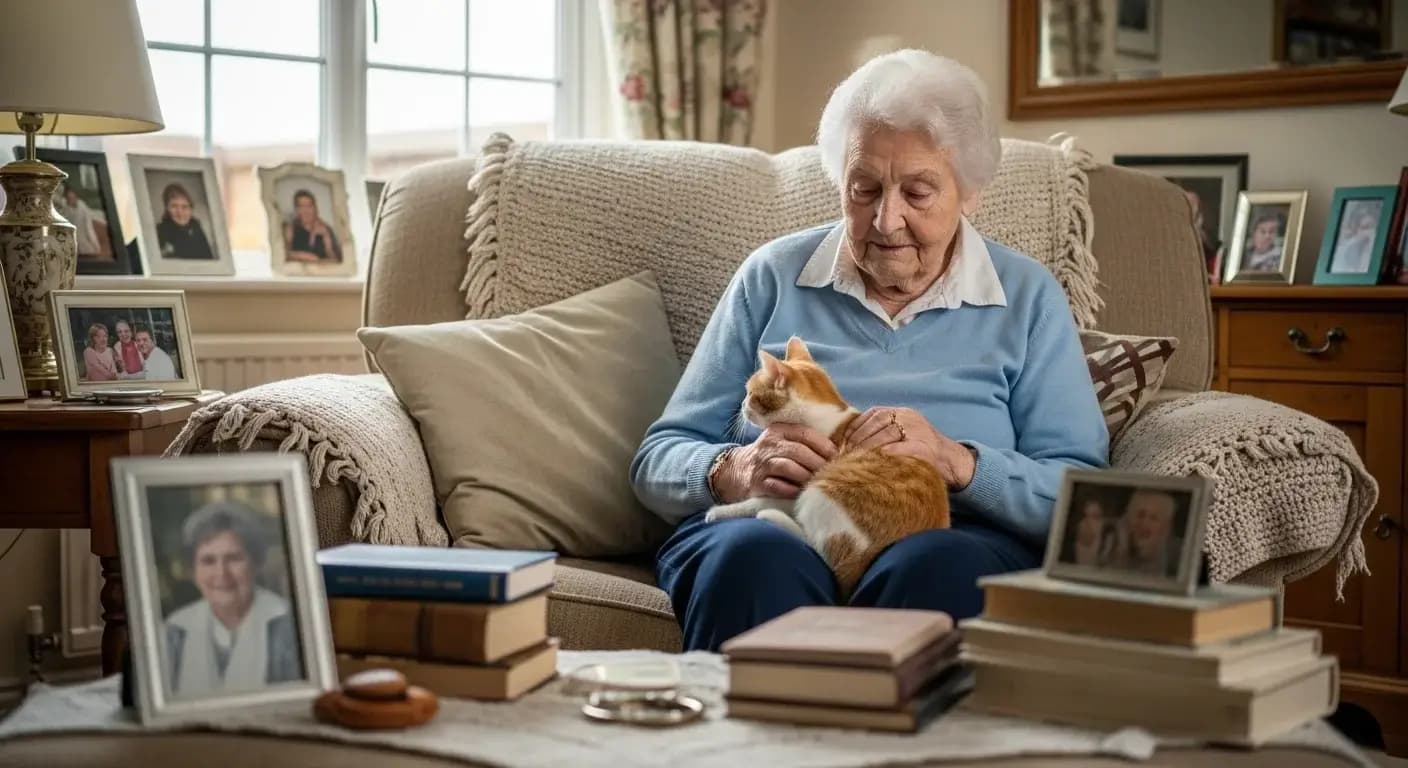
Pets and personal possessions provide comfort and continuity.

The person maintains a greater sense of independence and control.

Fewer disruptions and changes compared to residential settings.
How Home Care Supports People with Dementia
Professional home care workers trained in dementia support can help someone live safely and as independently as possible at home. The types of support provided will depend on the stage of dementia and the person's needs.
Day-to-Day and Specialist Support
Personal care assistance
Help with washing, bathing, dressing, toileting, and personal hygiene, delivered with patience, dignity, and respect.
Medication management
Reminders and help with taking medications as prescribed, reducing the risk of missed doses.
Meal preparation and nutrition
Preparing familiar, favourite meals and supporting the person to eat and drink well, which is crucial as dementia progresses.
Companionship and meaningful activities
Engaging in conversations, hobbies, reminiscence activities, music, gentle exercise, or gardening to provide stimulation and reduce loneliness.
Maintaining routines
Keeping daily routines consistent, which reduces anxiety and provides security.
Night-time support
Help with confusion, wandering, or toilet needs during the night, either as sleeping night care or waking night care depending on need.
Keeping the person safe
Monitoring for hazards, preventing falls, and providing reassurance to manage distress or behavioural changes.
Supporting the family carer
Offering respite care so family carers can take a break, plus emotional support and advice.
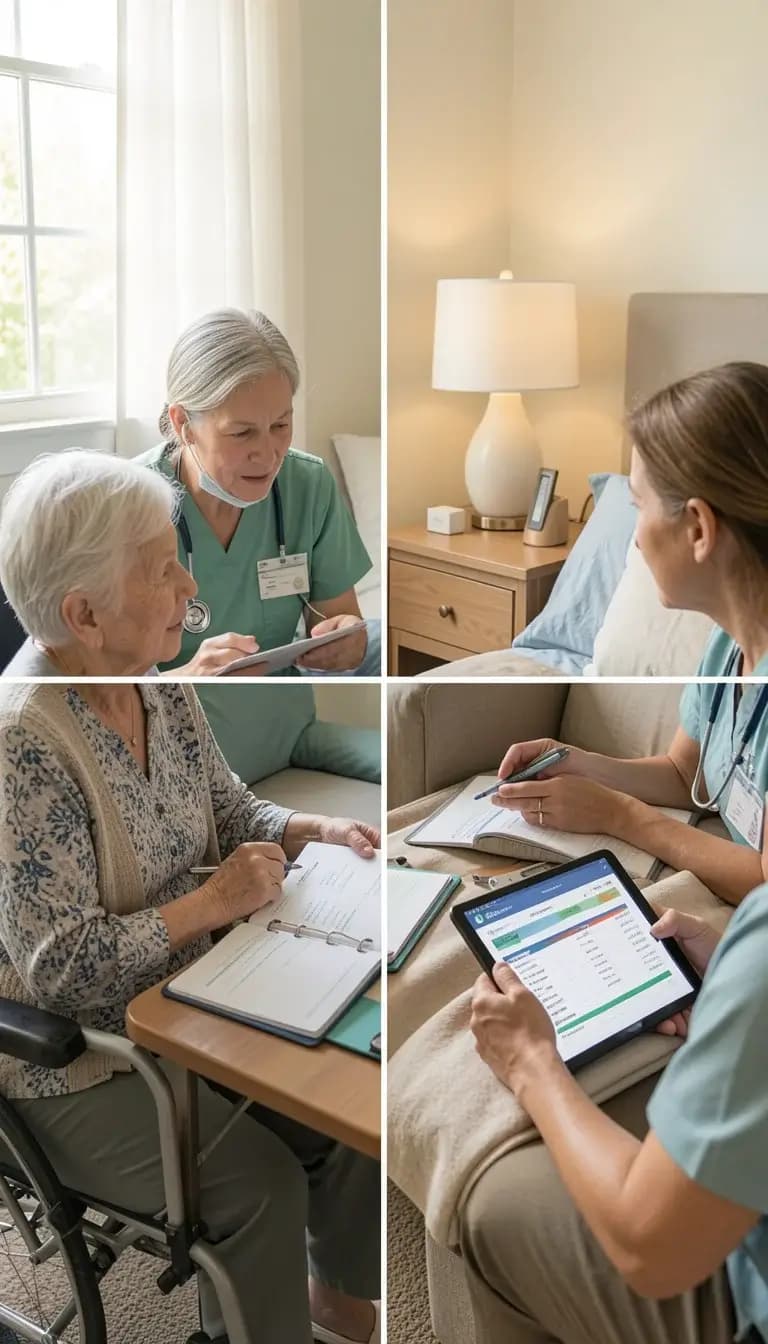
Types of Dementia Home Care
Dementia home care can be delivered in several different ways, depending on the stage of dementia and the person's needs. The right care type often changes as the condition progresses.
Specialist Dementia Day Care
Group-based activities in a day centre or community setting, providing stimulation and social interaction.
Reablement Following Diagnosis
Short-term, intensive support in the early stages of dementia to help the person and family adjust and rebuild confidence.
Night Care
Support during the night for someone with sundowning (increased confusion in late evening), wandering, or night-time toilet needs. Can be either sleeping night care or waking night care.
Visiting Care
Regular scheduled visits (2 to 4 times per day or more, depending on need) for personal care, medication management, meals, and companionship.
Live-in Care
A care worker lives with the person full time, providing 24-hour support for advanced dementia. The carer sleeps in the home and is available throughout the day and night.
Respite Care
Temporary care lasting from a few hours to several weeks, allowing family carers to take a well-deserved break whilst knowing their loved one is safe and well cared for.
What to Look for in a Dementia Care Provider
Not all care providers have the same level of dementia expertise. When choosing care support, look for these key qualities:
Dementia-Specific Training and Expertise
All care workers should have completed Dementia Friends training, ideally supplemented with Tier 2 or Tier 3 accredited dementia care training.
The provider should have a specialist dementia care team with experience of different types of dementia and different stages of the condition.
Ongoing training is essential, including understanding behaviour that challenges, communication strategies, and person-centred care.
Other Essential Qualities
Experience with different types of dementia (Alzheimer's, vascular, Lewy body, frontotemporal).
Understanding of mental capacity and best interests decisions.
CQC registration and a Good or Outstanding rating
Strong safeguarding policies and staff training.
Support for family carers, including respite care and emotional support.
Consistency of Carers
Wherever possible, the same small team of carers should visit each time, so the person becomes familiar with them.
Consistency is especially important for people with dementia, as it reduces confusion and builds trust.
If carers must change, introductions and transitions should be handled carefully.
Person-Centred Care Approach
Care should be tailored to the individual's preferences, history, and identity, not just their medical diagnosis.
The provider should spend time getting to know the person's life story, past interests, and what matters most to them.
Care plans should be flexible and responsive, adapting as the person's needs change.
Creating a Dementia Care Plan
A good care plan is essential for ensuring someone with dementia receives the right support. Planning early, ideally soon after diagnosis, makes the process less stressful and ensures the person can participate in decisions about their future.

Why Early Planning Matters
In the early stages of dementia, the person can still understand information and make decisions about their care. Planning early means:
- The person can express their wishes and preferences while they are able to do so
- Important legal documents can be completed, such as a Lasting Power of Attorney.
- The family has time to arrange support before crisis situations arise
- The person can remain more independent for longer with a clear plan in place
What a Care Plan Should Include
- Personal background and life history: favourite activities, interests, important people, meaningful memories
- Communication preferences: how the person prefers to be spoken to, favourite topics, how to handle confusion
- Routine and activities: morning and evening routines, meals and snacks they enjoy, activities that provide pleasure and stimulation.
- Medical information: current medications, health conditions, GP contact details, relevant hospital clinicians
- Mental capacity and legal decisions: Lasting Power of Attorney for health and welfare; Lasting Power of Attorney for financial and property matters; advance decisions about treatments; DNAR (Do Not Attempt Resuscitation) decisions if applicable
- Preferences for end-of-life care: where they would like to be cared for as the condition advances; preferences for symptom management and comfort
Legal Documents to Consider
- Lasting Power of Attorney (LPA) for Health and Welfare: allows someone else to make health and personal care decisions on their behalf if they lack capacity
- Lasting Power of Attorney for Property and Financial Affairs: allows management of finances, bills, and property decisions.
- Advance Decision (Living Will): a written record of treatments the person does not want if they lose capacity.
- Advance Statement: a more flexible document expressing wishes and values to guide decision-makers.
Supporting Daily Life with Dementia
Day-to-day care requires patience, understanding, and a calm approach. Here is advice on managing the common challenges people with dementia face.

Morning Routines
Dementia often involves confusion and disorientation in the morning. Keep the routine consistent:
- Wake the person at the same time each day, if possible.
- Provide gentle prompts and allow extra time for tasks.
- Lay out clothes in the order they will be needed.
- Keep the environment calm and unhurried.
Mealtimes
- Offer familiar foods and favourite meals that the person enjoys and recognises.
- Keep a regular meal schedule; dementia often creates confusion about what time of day it is.
- Ensure good hydration; people with dementia often forget to drink enough.
- If the person has difficulty chewing or swallowing, foods may need to be modified.
- Never rush mealtimes; allow as much time as needed.
Activities and Stimulation
- Familiar songs and artists can evoke emotion and memory, even when verbal communication becomes difficult.
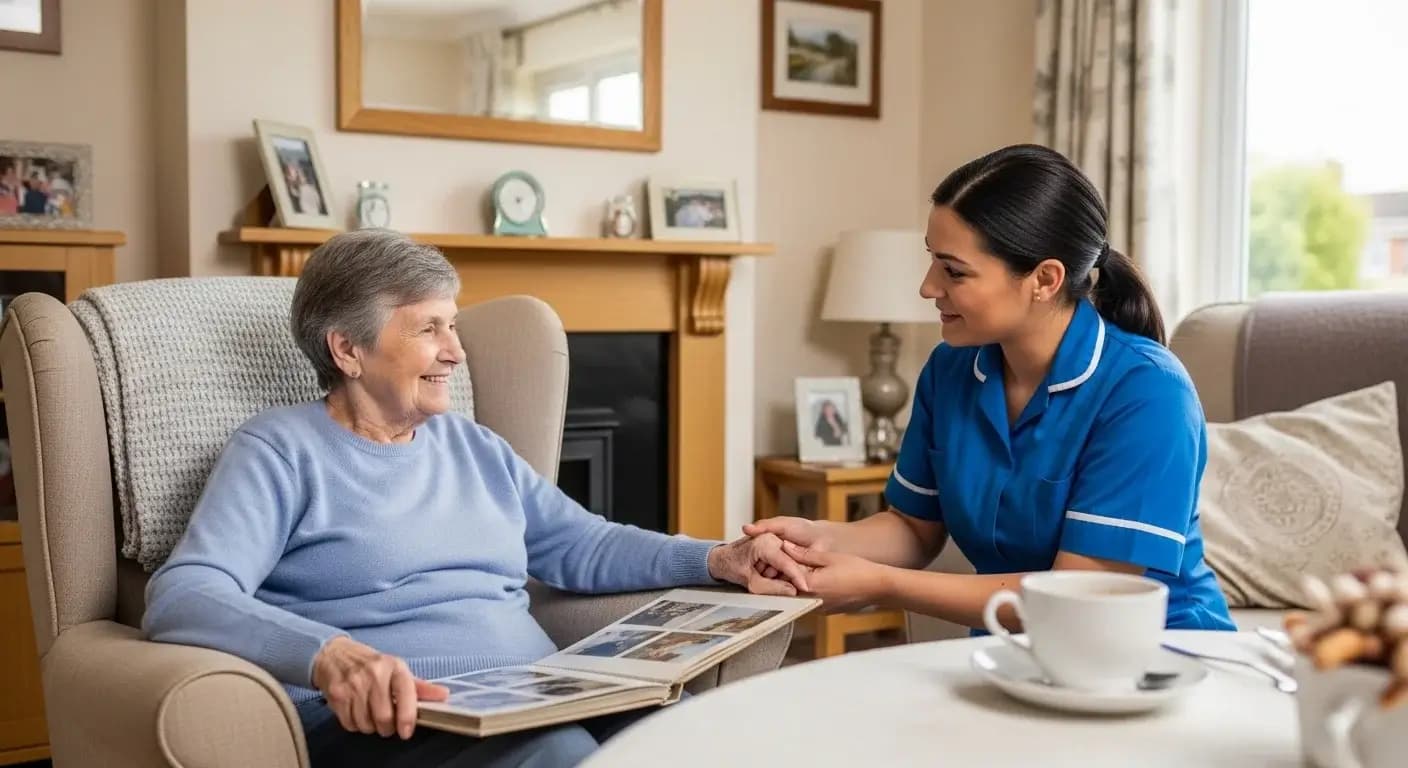
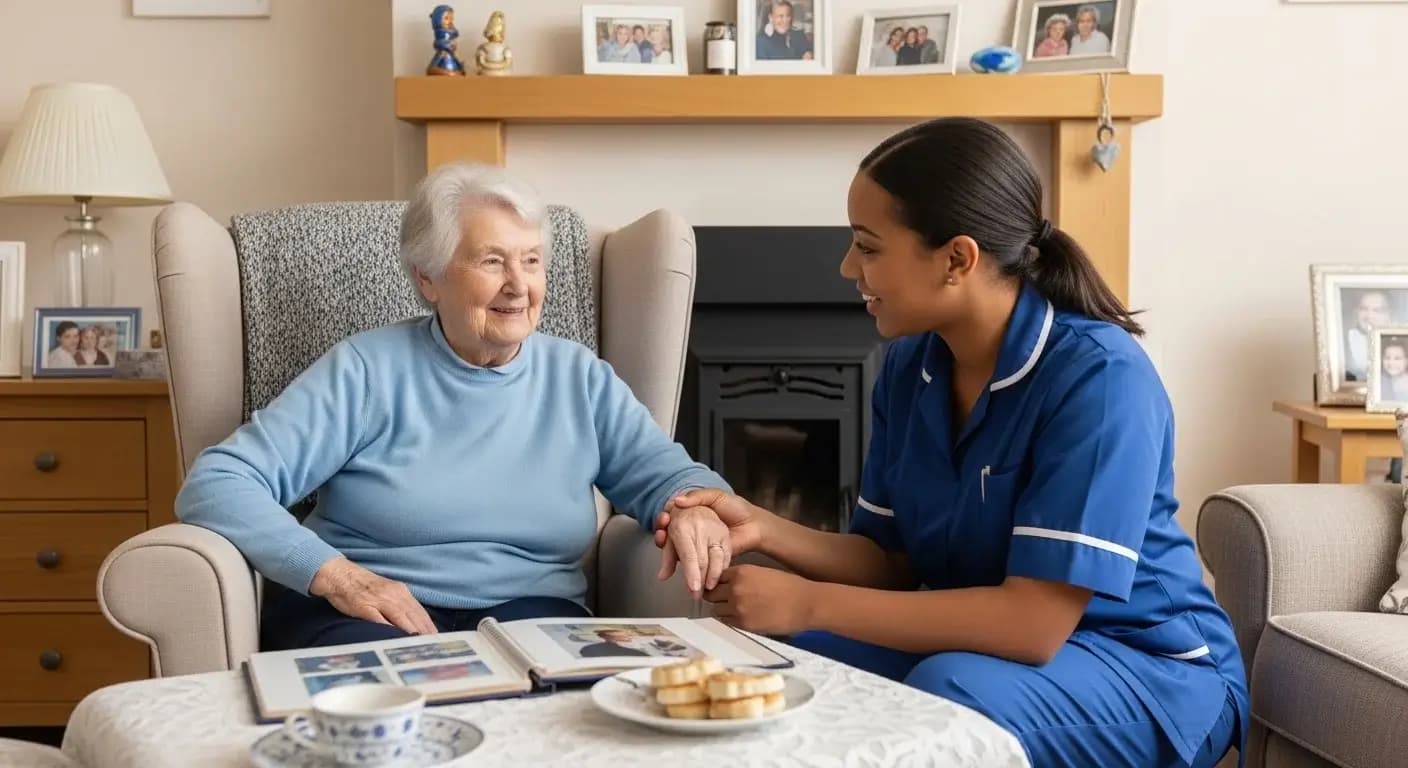
- Looking at old photos, reading life stories, or discussing past events provides enjoyment and familiarity.
- Short walks, gentle stretching, or dancing improves mobility and mood.
- Sensory activities that provide purpose and satisfaction.
- Continue activities the person has always enjoyed, adapted if necessary.
Communication Tips
- Use simple, clear sentences; avoid complex instructions.
- Speak slowly and calmly, and allow time for the person to process and respond.
- Use visual cues; point to objects, use gestures, or write simple words.
- Do not contradict or argue if the person is confused about something. Instead, validate their feelings and gently redirect.
- Maintain eye contact and use a warm, friendly tone.
- If communication becomes very difficult, rely on touch, music, and body language.
Managing Confusion and Distress
- Acknowledge the person's feelings, even if they are confused about facts. 'I can see you are upset' is more helpful than 'That is not true.'
- If the person becomes distressed about something, gently redirect their attention to a preferred activity.
- A calm voice, gentle touch, and reassuring words often settle distress better than logic or explanation.
- The presence of family, pets, or familiar carers often provides comfort.
Sundowning and Sleep Disturbances
Many people with dementia experience 'sundowning', an increase in confusion, agitation, or anxiety in the late afternoon or early evening. Sleep disturbances are also common.
- Ensure plenty of natural light and activity during the day.
- Keep the evening calm; reduce noise and stimulation as the day progresses.
- Maintain a consistent bedtime routine.
- If the person wanders at night or becomes distressed, night care support may be needed.
- Do not use sleeping medications without medical advice; they can increase confusion and falls risk.
Making the Home Safe for Someone with Dementia
As dementia progresses, the risk of accidents and injury increases. A few simple home adaptations can significantly improve safety without making the home look clinical.
Falls Prevention
- Remove trip hazards: secure loose rugs, clear floor clutter, and avoid trailing wires
- Ensure good lighting throughout the home, including night lights on stairs and in bedrooms
- Install grab rails in bathrooms and on stairs where appropriate
- Use non-slip mats in the bathroom
- Keep frequently used items at waist height to minimise bending and reaching
Kitchen Safety
- Install cooker guards or automatic shut-offs to prevent burns or gas leaks
- Remove hazardous items such as cleaning products or sharp objects, or lock them away safely
- Ensure good lighting so the person can see what they are doing
- Consider a kettle guard if the person uses a kettle
Bathroom Adaptations
- Non-slip mats prevent falls in the bath or shower
- A raised toilet seat can make using the toilet easier and reduce the risk of falls
- Walk-in showers or wet rooms are safer than baths.
- Install grab rails and a shower seat if needed.
- A hand-held shower head is easier to use than a fixed overhead shower
Doors, Windows, and Locks
- If the person tends to wander, door and window locks can prevent them leaving the house unsafely
- Locks should be out of sight where possible, so the home still feels comfortable and not like a prison
- A key safe outside the property ensures carers and family can access the home
Technology and Assistive Devices
- GPS trackers or wearable devices help locate the person if they wander.
- Medication management systems remind the person to take medications
- Bed or chair alarms alert carers if someone is getting up unsafely
- Door sensors alert if the person is trying to leave
- Baby monitors or movement sensors help carers respond quickly if needed.
General Home Safety
- Keep clutter to a minimum; a tidy home is less confusing
- Label drawers and cupboards with pictures or words to help the person find what they need
- Use night lights to help orientation and prevent falls during the night
- Remove or cover mirrors if they cause distress; some people with dementia become upset by their reflection
- Keep the thermostat at a safe temperature; people with dementia are less aware of being too hot or cold
Costs of Dementia Care at Home
Understanding your funding options can make care more affordable. Many people with advanced dementia qualify for significant financial help.
Visiting Care
£28–£35
per hour
Slightly higher than standard home care due to specialist dementia training. Varies by location and complexity of care required.
Live-in Care
£1,300–£1,600
per week (24-hour support)
For advanced dementia requiring round-the-clock support. Many people qualify for NHS Continuing Healthcare, which can cover all costs.
Night Care
£220–£280
per night
Sleeping night care (carer available) from £220. Waking night care (carer stays awake throughout) from £280.
Funding Options Available
| Funding Source | What It Covers | Means-Tested? |
|---|---|---|
| NHS Continuing Healthcare | Fully funds care when health needs are the primary driver. Many with advanced dementia qualify. | Not means-tested |
| Local Authority Funding | Partial or full care costs for those who have eligible needs and meet means-testing thresholds. | Means-tested |
| Attendance Allowance | Up to £110.40 per week (2025/26 higher rate) towards care costs. | Not means-tested |
| Direct Payments | Money from the council to purchase care directly, giving flexibility in choosing carers. | Means-tested |
Support for Family Carers
Caring for someone with dementia can be emotionally and physically demanding. It is essential to recognise when you need help and to access support services available to carers.
Your Rights as a Carer
Carer's assessment
Under the Care Act 2014, you have the legal right to a free carer's assessment from your local authority, which identifies your own support needs.
Carer's Allowance
If you care for someone at least 35 hours per week, you may qualify for Carer's Allowance (£81.90 per week, 2025/26).
Respite care
The person you care for is entitled to regular breaks, either through local authority funding or privately arranged
Emotional and Practical Support
Alzheimer's Society
Provides free support, including a telephone helpline, local support groups, and online communities.
Call 0300 222 1122Dementia UK Admiral Nurses
Specialist dementia nurses offering one-to-one support and advice to families. Call 0800 888 6678.
Local carers' centres
Many areas have carers' centres offering advice, training, support groups, and breaks.
GP or specialist dementia service
Can provide medical advice and signpost to support services.
Caring Together (Cambridgeshire) and Carers in Hertfordshire
Local organisations offering support specific to your area.
Looking After Your Own Wellbeing
- Accept that you cannot do everything alone; asking for help is not failure.
- Maintain your own health and wellbeing; attend your GP appointments and take time for yourself.
- Stay connected with family, friends, and interests; isolation makes caring harder.
- Consider counselling or therapy if you are struggling emotionally.
- Join a support group; talking to other carers who understand can be very helpful.
Planning for the Future
As dementia progresses, planning ahead ensures that decisions are made in line with the person's wishes and values. Having these conversations early is one of the most important things a family can do.
When Home Care May No Longer Be Enough
There may come a time when even round-the-clock live-in care is not sufficient. Signs that residential care might be needed include:
- Severe, frequent behavioural disturbances that put the person at risk or create a risk to carers
- Complete loss of continence and ability to self-care, requiring more support than can be safely provided at home
- Severe wandering or extreme safety risks despite all home adaptations
- Extreme stress or burnout for family carers, despite professional support
- Physical health needs requiring more intensive medical support than home care can provide
Making the Transition
If residential care becomes necessary:
- The decision should be made thoughtfully, with input from family, healthcare professionals, and ideally the person themselves (if they are able to understand).
- Visit care homes together and choose one that feels right for the person.
- Plan the move carefully, perhaps with a gradual transition or increased visits to the home before moving in full-time
- Bring personal belongings, photos, and familiar items to make the space feel like home.
- Maintain regular visits and involvement in care decisions.
Financial and Legal Planning
As the condition advances, ensure important documents are in place:
- Lasting Power of Attorney (health and financial): Essential if the person lacks capacity
- Will: Review or create a will reflecting current wishes
- Advance decision or advance statement: Express preferences for future care and end-of-life decisions
- Funeral plans: Some families pre-plan and pre-pay for funeral arrangements.
Local Dementia Support in Hertfordshire and Cambridgeshire
People with dementia and their families in Hertfordshire and Cambridgeshire have access to specialist support services alongside professional home care.
Alzheimer's Society
The Alzheimer's Society provides free information, support, and services nationally. Local groups and services operate in both Hertfordshire and Cambridgeshire.
Contact the national helpline on 0300 222 1122 or visit www.alzheimers.org.uk to find local services.
Memory Clinics
Memory clinics offer diagnostic assessment and specialist medical advice for people with suspected dementia. Referrals are usually made through your GP. Both Hertfordshire and Cambridgeshire have memory clinic services; ask your GP for a referral.
Dementia UK Admiral Nurses
Admiral Nurses are specialist dementia nurses available to support families. They offer one-to-one advice, emotional support, and practical guidance.
Local Authority Support
Hertfordshire County Council and Cambridgeshire County Council both provide adult social care services including care needs assessments, financial support towards care costs, and access to respite care. Contact your local council to request an assessment.
Carers' Organisations
Carers in Hertfordshire:
Support, advice, and respite for carers. www.carersinherts.org.uk
Caring Together (Cambridgeshire):
Information and support for family carers. www.caringtogether.org.uk
Living Plus Care Services
Living Plus Care Services provides CQC-registered dementia home care in Hatfield, Hertfordshire and Peterborough, Cambridgeshire. Our dementia care workers are trained to deliver specialist support that enables people with dementia to remain at home safely and comfortably. We offer visiting care, live-in care, night care, and respite care tailored to the individual's needs.
Hatfield, Hertfordshire: 01707 707599
Peterborough, Cambridgeshire: 01733 911656
Need Support with Dementia Care at Home?
Living Plus Care Services provides specialist dementia home care in Hatfield and Peterborough. Our trained carers help people with dementia live safely and comfortably at home. Book a free, no-obligation assessment today.
Book Free Assessment: www.livingpluscare.co.uk/contact